Natural Garden Pest Control: Keep Bugs in Check Without Harsh Chemicals
Learn how to manage garden pests naturally without using harsh chemicals. This page offers tips on building healthy soil, identifying pests, and using gentle methods to keep your garden thriving. Discover how to attract beneficial insects and use non-toxic solutions only when necessary.
It’s a sinking feeling. You walk out to the garden and find your young kale shredded or your tomato plants stripped overnight. It’s tempting to grab the strongest spray you can find. But harsh chemicals also kill the beneficial insects that keep pests in check, and they can harm pollinators, pets and soil life.
The homestead approach is different: build a garden where pests struggle and their natural enemies thrive. Fall is a great time to set that up, because much of good pest control starts with cleanup and soil building.
Key Takeaways
- Healthy soil and healthy plants are the first line of defense.
- Most insects in your garden are harmless or helpful.
- Identify the pest before you act.
- Use the gentlest effective method, and treat sprays as a last resort.
Start With Healthy Soil and Plants
Stressed plants attract pests. Feed your soil with compost, water deeply and consistently, and give plants enough space for good airflow. Choose varieties that are adapted to your region and resistant to common problems.
Know Your Friends
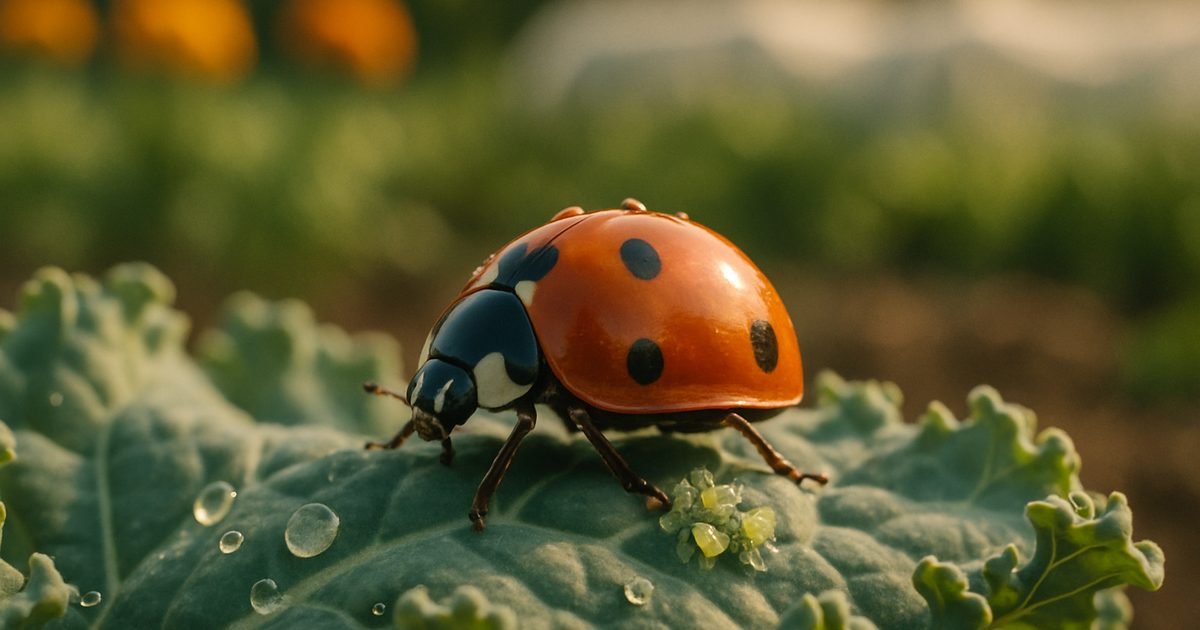
- Ladybugs and their larvae devour aphids.
- Lacewing larvae eat aphids, mites and small caterpillars.
- Parasitic wasps are tiny and harmless to people, and they lay eggs in caterpillars like tomato hornworms.
- Ground beetles hunt slugs and cutworms at night.
- Birds, toads and bats eat enormous numbers of insects.
Invite them in with flowering plants like dill, fennel, yarrow, alyssum and native wildflowers, a shallow water source, and a few undisturbed corners.
Identify Before You Act
Take a photo and compare it with your county extension office’s pest guides, or bring a sample in. Many “pests” turn out to be harmless, and treating the wrong bug wastes time and harms beneficials.
Physical Controls
- Hand-picking: Drop beetles, caterpillars and hornworms into soapy water. Early morning is the best time.
- Row covers: Lightweight fabric keeps flea beetles, cabbage moths and squash vine borers off crops. Remove it when squash and other insect-pollinated plants flower.
- Collars: Cardboard or paper collars around seedlings stop cutworms.
- Slug traps: Boards laid on the ground, or shallow dishes of beer, catch slugs overnight.
- A strong spray of water knocks aphids off plants.
- Fencing: For deer, rabbits and groundhogs, the right fence is the only reliable answer.
Cultural Controls
- Rotate crops so pests and diseases don’t build up in one spot.
- Clean up in fall. Remove diseased plants and plant debris where pests overwinter. Leave healthy stems and leaf litter in some areas for beneficial insects.
- Companion planting: Interplanting herbs and flowers confuses pests and attracts beneficials. Results vary, but it rarely hurts.
- Trap crops: Nasturtiums can draw aphids away from other crops.
- Timing: Planting a little earlier or later can help crops avoid peak pest seasons.
Gentle Sprays (as a Last Resort)
When a problem gets out of hand, some low-toxicity options can help. “Natural” doesn’t mean harmless, though, so use them carefully.
- Insecticidal soap: Effective on soft-bodied insects like aphids and mites. It must contact the insect to work.
- Neem oil: Works on many insects and some fungal problems. It can harm bees and other beneficials if sprayed directly on them, so apply it at dusk, when pollinators aren’t active, and avoid open flowers.
- Bt (Bacillus thuringiensis): Targets caterpillars like cabbage worms and hornworms.
- Diatomaceous earth: Works on crawling insects, but it can also harm beneficial insects and loses effectiveness when wet. Apply it only where needed, and avoid breathing the dust.
Always read and follow the label, test on a few leaves first, and avoid spraying in hot midday sun.
Frequently Asked Questions
Are homemade sprays safe?
Some are, but homemade recipes haven’t been tested for safety or effectiveness, and some can burn plants or harm soil. Commercial products labeled for garden use are often the safer bet.
Will marigolds keep all pests away?
Not all, but they attract beneficial insects and may help with some soil nematodes. They’re worth growing for that and for the color.
Should I kill every bug I see?
No. A few pests feed the beneficial insects that protect your garden. Aim for balance, not elimination.
A garden that works with nature is healthier, more productive and more resilient. Pair these tips with rich soil from our compost guide.
Get printable soil fertility and permaculture checklists in our free Garden, Water & Energy pack, available in our Free Downloads library.
Prefer to watch or listen? More practical homestead tips are on our YouTube channel — short, useful, no fluff. Subscribe on YouTube → The Homestead Frontier
Get Weekly Homestead Know-How That Actually Works
Practical tips on gardening, food preservation, DIY repairs and self-reliance, straight to your inbox. Free, no fluff.
Free. Unsubscribe anytime. We never share your email.