Track Your Homestead Expenses with This Simple System
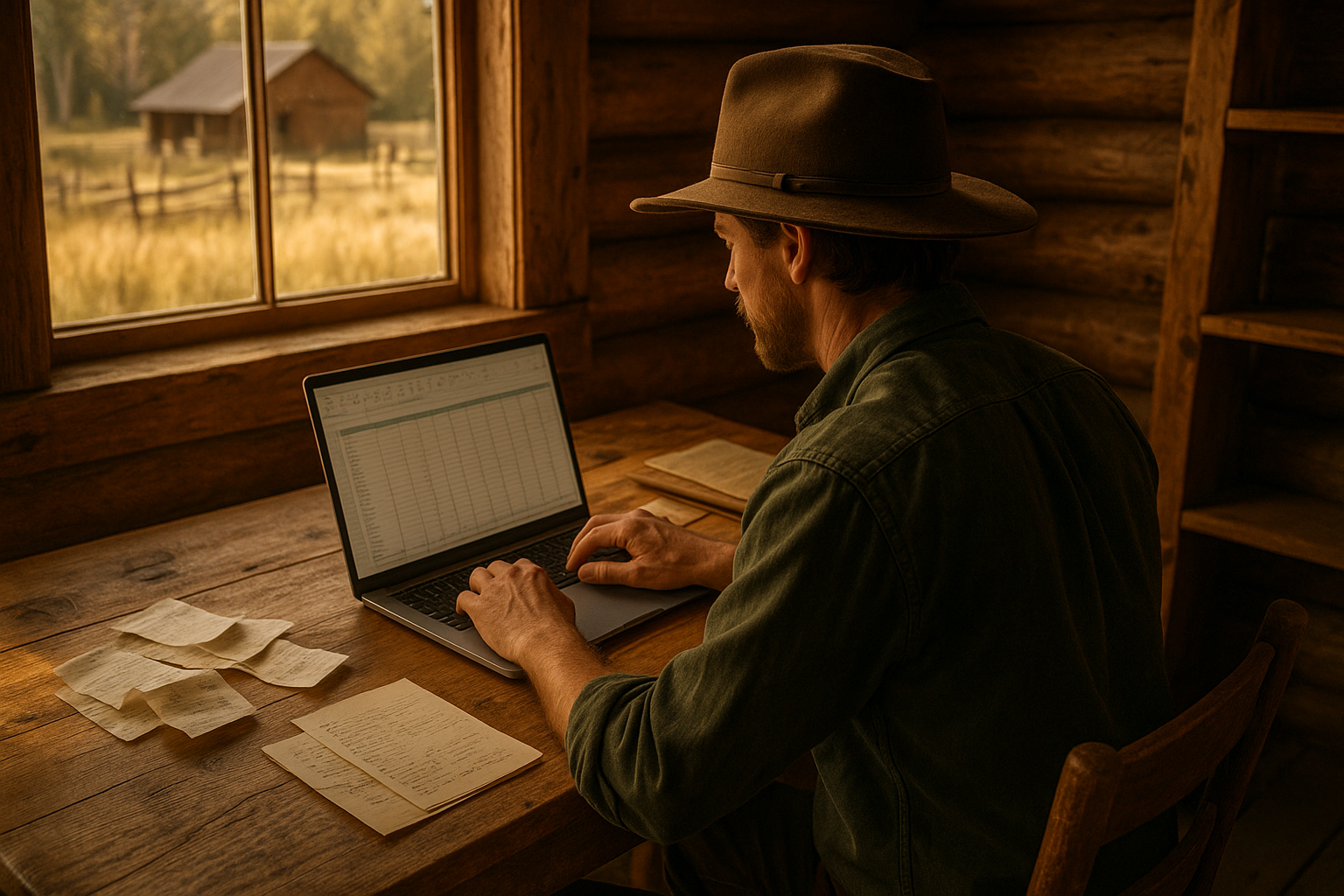
Learn to manage your homestead expenses with a simple system using categories and digital tools. Keep track of spending, involve your family, and regularly review your budget to support a sustainable lifestyle.
Keeping track of your homestead expenses isn’t just a task for the tidy; it’s a necessary step for sustaining your lifestyle and ensuring your efforts pay off. Imagine standing in your barn, a mountain of feed and seed bills fluttering in the wind like a wild flock of hens. That’s what unmanaged homestead expenses can feel like, but it doesn’t have to be that way.
Key Takeaways
- Adopt a simple expense tracking system to stay organized and make informed decisions.
- Categorize expenses to easily identify areas to cut costs.
- Regularly review and adjust your budget to ensure it aligns with your homestead goals.
- Utilize basic tools like spreadsheets or apps to keep all your records in one place.
For many homesteaders, the dream isn’t just about self-reliance; it’s also about sustaining a lifestyle that brings more joy than financial stress. Here’s a straightforward system to help you manage your expenses and keep your homestead flourishing.
Start with Categorizing
First things first, categorize your expenses. Break them down into manageable chunks like supplies, maintenance, animal feed, seeds, and utilities. If you purchase bulk items, you might find it beneficial to label that separately, so you know where to cut back when costs get tight.
Highlighting categories allows you to see at a glance where your resources are being allocated. For example, you might find that your electric fence has become quite the power hog, and it might be time to look at some alternatives. This kind of breakdown is invaluable when it comes to budgeting and identifying potential savings.
Embrace Digital Tools
Using spreadsheets or budgeting apps can make managing your expenses a less daunting task. Google Sheets is a free and straightforward tool to help track your spending and stay organized. You can set up columns for each category and rows for each month to give you an easy view of where you stand financially.
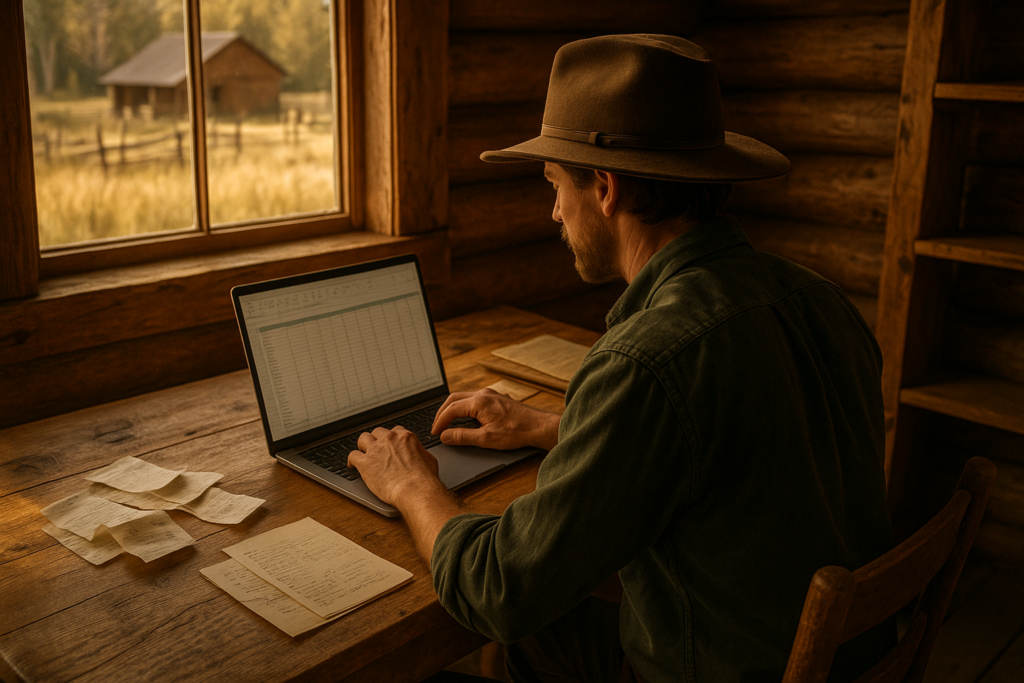
Apps like EveryDollar or Mint provide templates specifically designed for budgeting and can be customized to suit your specific needs. Electronic record-keeping also has the added benefit of easy accessibility and data backup, protecting your financial information should anything get lost or damaged physically.
Be sure to schedule regular “budget check-ups”—maybe the first of each month. Consider this your financial health day, where you go over the numbers, update what needs updating, and make new notes based on last month’s costs and savings.
Constantly Reevaluate and Adjust
Homesteading requires flexibility. Weather, economic pressures, new ventures, and animals that seem to eat their weight in feed weekly can all affect your budget. Don’t set your tracking up once and forget it. Instead, use your system to keep an ongoing dialogue with your finances.
Plan for seasonal fluctuations, like increased heating costs in winter or growing costs in spring. By anticipating these changes, you’re reducing the likelihood of unanticipated expenses throwing a monkey wrench into your well-oiled homestead machine.
If you notice your feed costs have been through the barn roof recently, check into Nigerian Dwarf Goats—these compact companions could be a cost-effective choice for your goat milk needs.
Involve the Family
It’s not all on you! A homestead often involves the whole family, and getting everyone on board with the financial picture helps reduce stress and distribute responsibility. Involve your partner and even older children in checking the budget. Teach them how to record expenses properly and understand their significance.
There can be a great sense of teamwork when everyone knows how much that “fun little chick” project actually costs the family budget. Family-involved planning also helps everyone appreciate the homestead’s resources and think twice before suggesting a new chicken coop remodel.
For other practical, family-inclusive homestead activities, try your hand at some seasonal crafts to keep both spending and spirits in harmony.
Keep Receipts, Stay Prepared
Remember to keep your receipts. Whether you toss them in a designated jar beneath the kitchen sink or upload images of them into a digital app, keeping all expense evidence is invaluable for tracking down discrepancies and verifying deductions at tax time.
Plus, taking a moment to review past receipts can serve as a tangible reminder of the need to control spending when you’re tempted by that brand new, yet unnecessary homestead gadget. If it turns out you need a gadget, however, our gear guides can point you in the direction of well-informed purchases.
Frequently Asked Questions
What’s the best way to track homestead expenses?
Use a system that suits your style, like a simple spreadsheet or a budgeting app. The key is consistency and regular updates to stay on top of where your money is going.
How often should I review my homestead budget?
Monthly reviews are ideal. This allows you to adjust for any unforeseen expenses and focus your resources where they’re most needed.
Can I involve my children in maintaining the budget?
Absolutely! It’s a great way to teach them financial responsibility and the costs associated with running a homestead. Assign age-appropriate tasks in the record-keeping process.
What should I do when my expenses are higher than expected?
Review your spending categories for costly patterns. Adjust unnecessary expenses and plan for future budget alignments based on past experiences.
Now that you’re equipped with a simple expense tracking system, you’re on your way to a more financially sustainable homestead. For more practical advice and inspiration, Subscribe on YouTube → The Homestead Frontier.
Get Weekly Homestead Know-How That Actually Works
Practical tips on gardening, food preservation, DIY repairs and self-reliance, straight to your inbox. Free, no fluff.
Free. Unsubscribe anytime. We never share your email.