Nigerian Dwarf Goats: Compact Companions for Your Homestead
This page is all about Nigerian Dwarf goats, perfect for small homesteads thanks to their small size and friendly nature. You can learn about how they provide rich milk, easy care tips, and the joy they bring. It's ideal for anyone considering adding these goats to their homestead and offers helpful guides and resources.
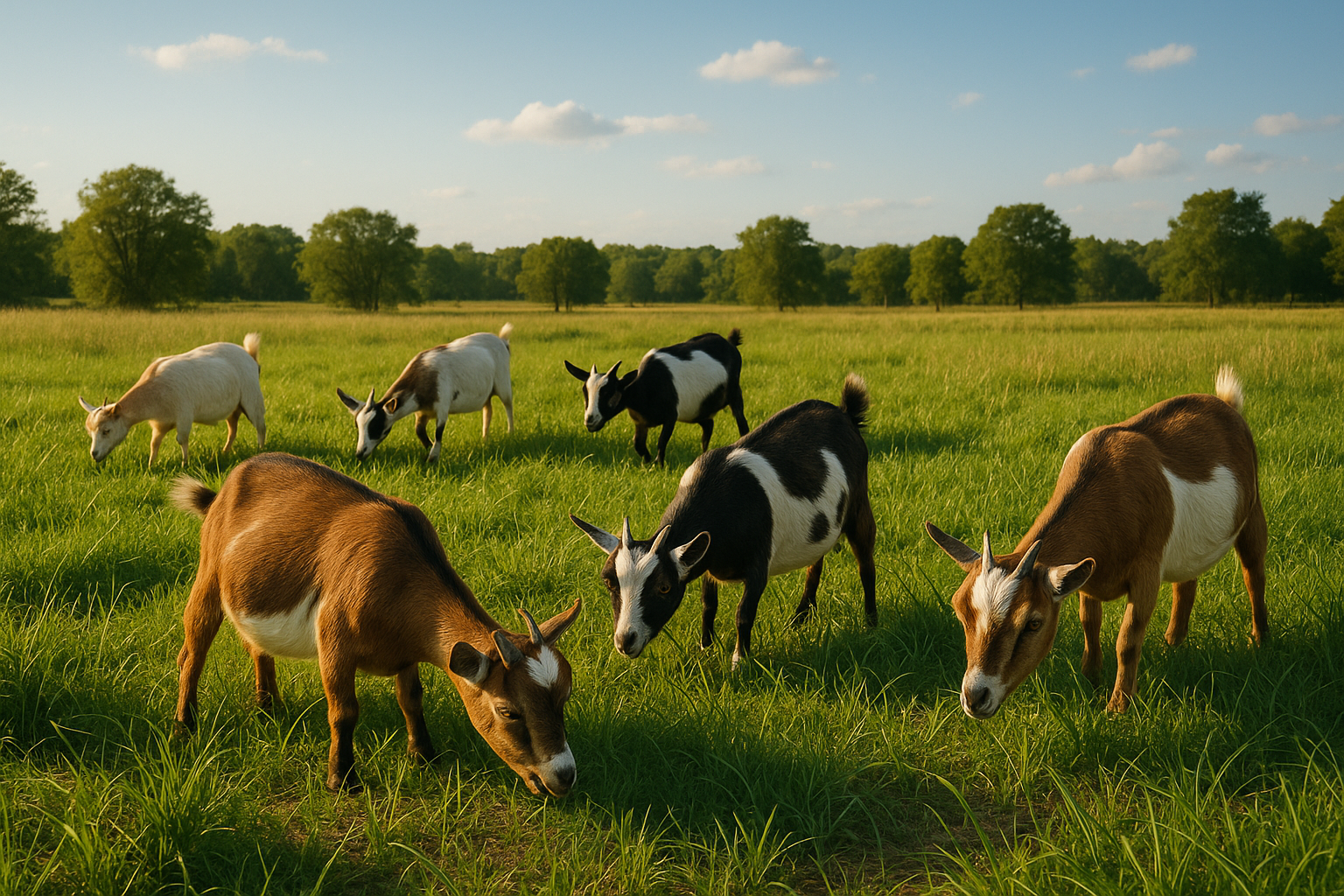
If you’ve ever considered adding livestock to your small homestead, Nigerian Dwarf goats might just be the perfect fit. Their compact size and friendly demeanor make them ideal companions while also offering the benefits of milk production and weed control.
Key Takeaways
- Nigerian Dwarf goats are a small, adaptable breed that fits well on limited acreage.
- These goats are known for their high butterfat milk, perfect for making cheese and butter.
- Males weigh 35 to 70 pounds, and females weigh 30 to 50 pounds, making them manageable for families.
- Nigerian Dwarf goats are generally easy to care for, but they benefit from routine hoof trimming and a secure fence.
Why Nigerian Dwarf Goats?
Imagine having goats that are not only petite in size but also lively in spirit. Picture them gracefully bouncing around, providing both milk rich in butterfat and affectionate companionship. The Nigerian Dwarf goat is your ticket to this delightful scene. First introduced to the United States in the 1950s, these goats are beloved for their playful nature and their excellent milk production capabilities.
Weighing in at just 30 to 50 pounds for does and 35 to 70 pounds for bucks, Nigerian Dwarf goats are perfectly suited for small-scale homesteads. Their diminutive size means they are easy to manage, even for novice goat owners. If you have kids, these goats offer a wonderful introduction to gentle animal care.
Milk Production and Benefits
Nigerian Dwarf goats defy their size when it comes to milk production. Does can produce between a pint to a quart of milk per day with a butterfat content of 6% to 10%, significantly higher than most other dairy goats. This makes their milk an excellent choice for crafting delicious cheeses and creamy butter.
The high butterfat content isn’t just about flavor; it’s also about versatility. Not only can you make exquisite dairy products, but this milk is also better suited for making soaps and lotions due to its rich, moisturizing qualities—a lovely double benefit for any homestead business.
Care and Diet
Caring for Nigerian Dwarf goats doesn’t require much more than common sense and a little dedication. They thrive best with a diet that’s a mix of quality hay, pasture, and an occasional grain supplement to balance their nutritional needs. Fresh water and a mineral block will ensure your goats stay healthy and happy.
One aspect of their care that often comes up is hoof trimming. Just like your fingernails, their hooves grow continuously and require regular maintenance. Typically, a trim every four to six weeks will keep them in top condition, preventing foot problems that could impact their overall health.
Fencing is another critical consideration. Their agility and curious nature mean that a good, sturdy fence—think 4 to 5 feet high—will keep your goats where you want them to be. Consider reading this guide on DIY fence repair to ensure your boundaries are secure.
Breeding and Behavior
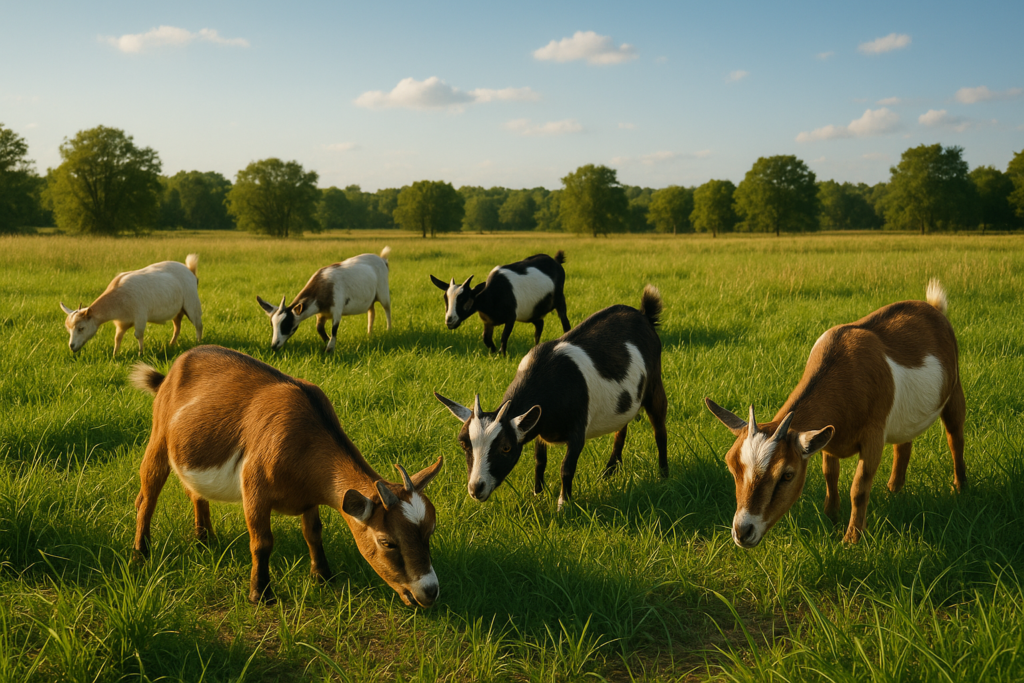
Nigerian Dwarf goats are not just about milk; they are also about maximizing joy and minimizing trouble. Their friendly and curious nature makes them excellent, low-key companions for children and adults alike. They are also quite social, thriving best in groups, so consider a small herd to enrich their social life.
When it comes to breeding, these goats are particularly flexible as they can breed year-round, unlike many other dairy breeds. This capability allows for strategic planning of your kidding season, ensuring fresh milk availability throughout the year.
Practical Considerations
Before welcoming Nigerian Dwarf goats to your homestead, assess your space and resources. Are you ready for animal care routines? Do you have resources such as shelter, basic medical supplies, and a dependable source for hay and grains? If so, you’re likely prepared to take on this rewarding commitment.
It’s also worthwhile to explore additional resources. Our collection of free homestead guides and checklists offers practical tips and resources to support your new goat-keeping venture.
Community and Learning
Owning Nigerian Dwarf goats often brings unexpected community ties, as fellow owners and enthusiasts connect through shared experiences and knowledge. Engaging with these groups can be tremendously beneficial, whether it’s online forums or local meetup groups. To get a sense of what homesteading really encompasses, check out our definition of modern homesteading.
For those who are auditory learners, don’t miss our audio tips for practical, hands-free advice you can listen to while managing your chores.
Frequently Asked Questions
How much space do Nigerian Dwarf goats require?
A small herd (3-5 goats) can comfortably live in an area as small as a quarter of an acre. If space is tight, consider rotational grazing with portable fencing to manage pastures efficiently.
Do Nigerian Dwarf goats get along with other animals?
Generally, they do well with other livestock like chickens and even larger animals. As social creatures, they thrive in diverse environments but should always have another goat as a companion.
How can I use goat milk beyond drinking it?
The high butterfat content is ideal for making cheese and yogurt. You can also create soaps and lotions which are both a delightful luxury and a practical addition to your homestead business.
What are common health issues to watch out for?
Regularly check for signs of parasites, especially if your goats are on pasture. Monitor their deep breathing, eye clarity, and coat condition as general health indicators. Fresh water and clean living conditions are key to preventing illness.
With their charming personalities and practical benefits, Nigerian Dwarf goats can be a wonderful addition to any homestead. Ready to dive deeper into homesteading? Subscribe on YouTube → The Homestead Frontier.
Get Weekly Homestead Know-How That Actually Works
Practical tips on gardening, food preservation, DIY repairs and self-reliance, straight to your inbox. Free, no fluff.
Free. Unsubscribe anytime. We never share your email.