
Weekend DIY Fence Repair: Practical Tips for Success
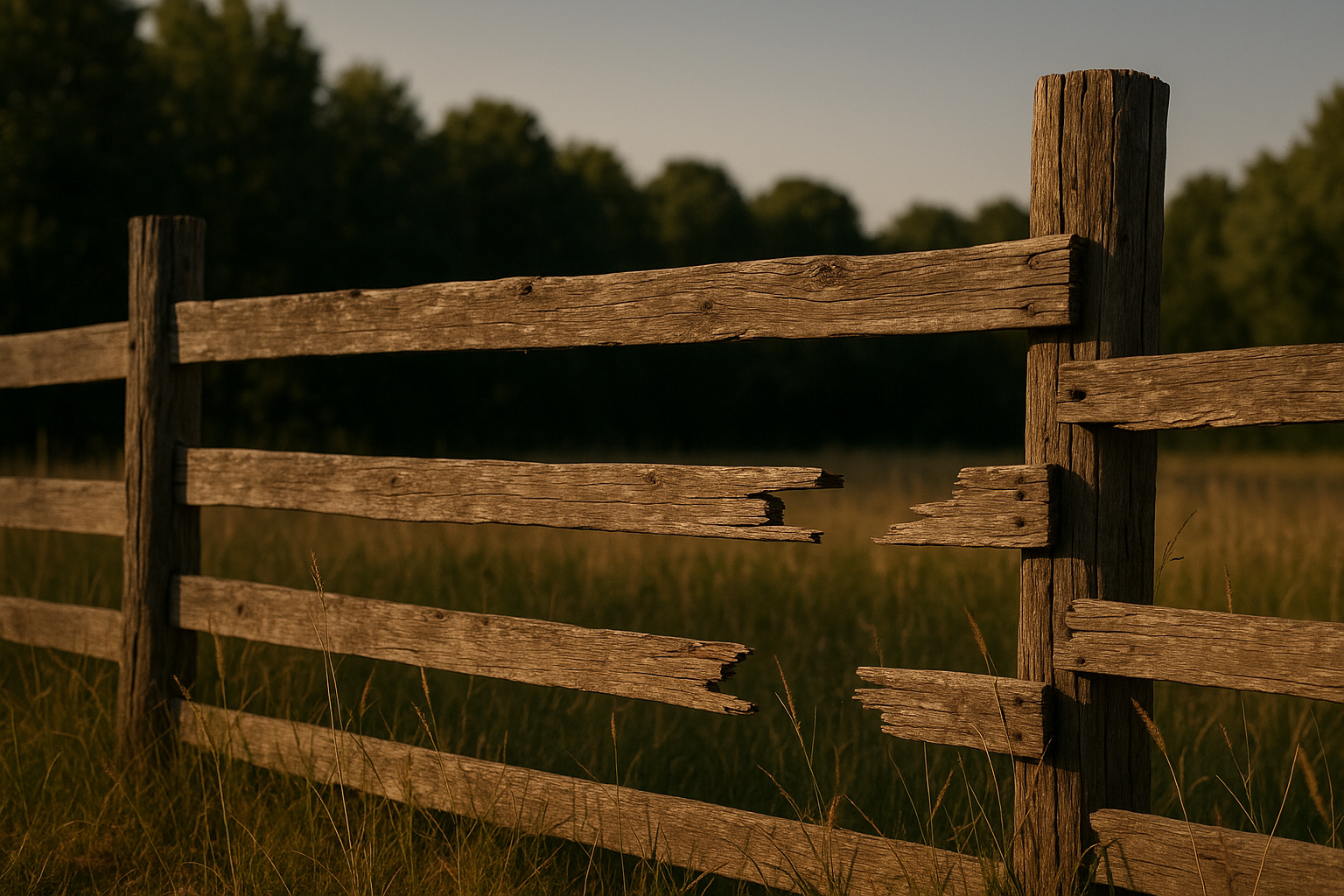
This web page offers practical tips for repairing your fence over the weekend. Learn how to tackle issues with wood, wire, or metal fences and what tools you might need. It also provides advice on maintaining your fence to keep it strong for years to come.
When your homestead fence starts showing signs of wear, a weekend repair session can save you from future headaches. High winds, curious animals, and time can take their toll on even the best-built fences. Tackling these repairs doesn’t have to eat up your whole weekend, and by taking a methodical approach, you’ll have a sturdy fence in no time.
Key Takeaways
- Identify common fence problems early to avoid bigger repairs later.
- Gather essential tools and materials before starting your project.
- Use the right techniques for different types of fences: wood, wire, or metal.
- Maintain your repaired sections to extend the life of your fence.
Sorting out a sagging wooden gate is a common task. You might notice it’s no longer closing properly, sagging on one side, or perhaps the wood has begun to splinter. A quick fix is to tighten all the screws on the hinges, but if the issue is persistent, you may need to replace the screws entirely or reinforce the gate with a diagonal brace.
Start by gathering your materials. Having everything on hand before you start saves time. You’ll typically need a hammer, nails or screws, wood, a screwdriver, and a level. If you’re swapping out hinges, take note of their size and type before heading to the hardware store. When you’re prepared, the actual work on the gate can often be wrapped up in a couple of hours.
Tools and Materials You Need
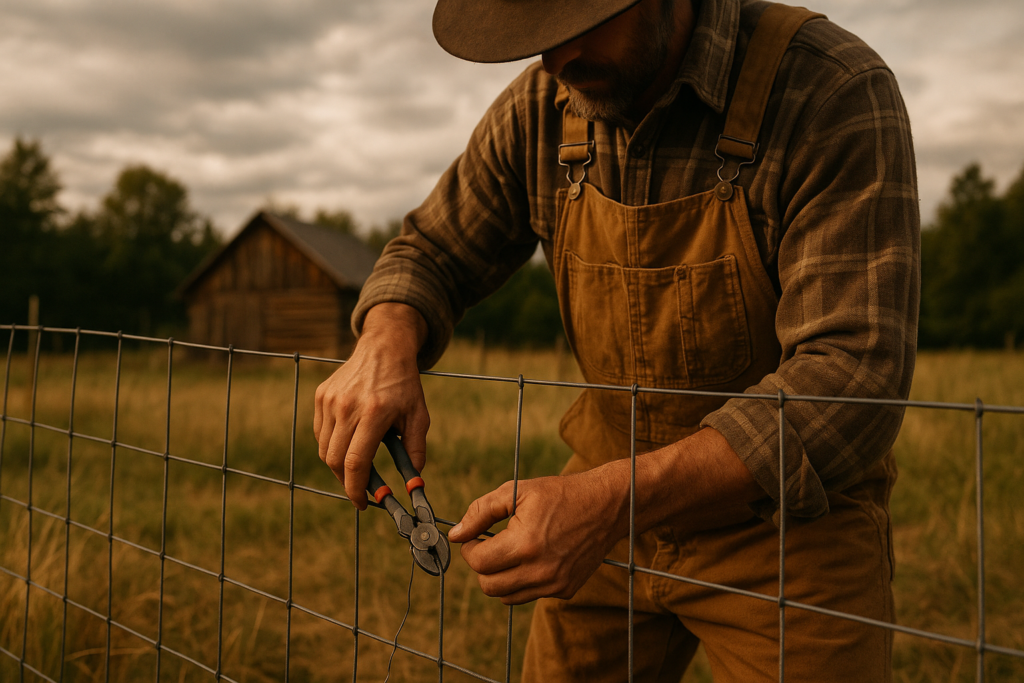
Before you dive into any fence project, a tool check is vital. Here’s a list to get you started: tape measure, post hole digger, hand saw, wire cutters, level, and a claw hammer. Depending on your fence type, you might also need a fence puller or tensioning tools for wire fences.
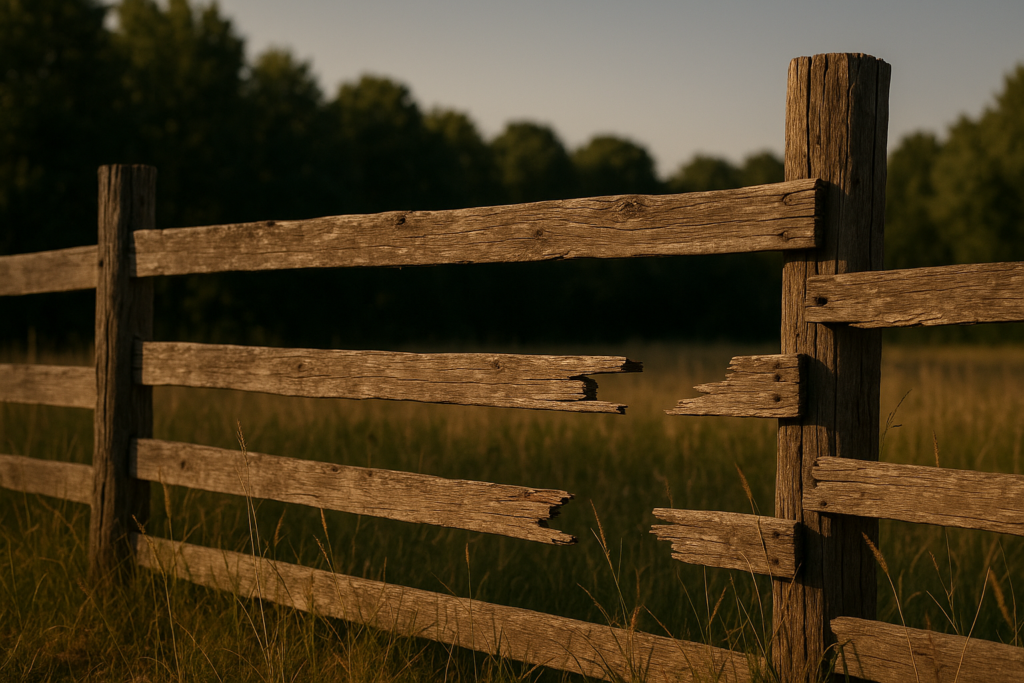
Let’s consider a leaning fence post. Over time, wooden posts can rot from ground moisture or become loosened by persistent winds. These are signs you shouldn’t ignore. Dig around the base of the leaning post, bracing it temporarily with 2×4 lumber. Once the post is straight, pack the hole with gravel and dirt for support. Alternatively, set the post bottom in concrete if this aligns with your fence type and local regulations.
Handling Metal and Wire Fences
Repairing metal or wire fences brings its own set of challenges. Rust is the main villain here. If panels have rusted through, they may need replacing. For simpler fixes, remove rusted areas with a wire brush, clean, and apply a rust-proof primer and paint.
Wire fences might sag over time as well. For this, tension is your friend. Re-tension by tightening wire ties and posts with a fence stretcher. Ensure everything sits on anchor points evenly and firmly, maintaining a straight line to avoid awkward gaps or wavy sections.
Detailed plans for building rugged garden beds can be found here, useful for containing wandering animals.
Maintenance Tips to Extend Fence Life
A well-maintained fence can last decades. Regular checks for loose boards, sagging wire, or rust spots make it last longer. A seasonal inspection after winter can catch early signs before they worsen. Keeping foliage clear of the fence reduces moisture build-up, which leads to rot, rust, and decay. Invertebrate pests love moist wood, so a dry environment keeps them at bay.
For more practical advice, dive into our Audio Tips, where you’ll find quick guidance you can listen to while you work.
Frequently Asked Questions
What is the best way to fix a sagging fence gate?
First, tighten all existing screws on the gate hardware. If it continues to sag, consider adding a diagonal brace from the top hinge to the bottom opposite side. This distributes weight more evenly and provides support.
How can I prevent fence posts from rotting?
Applying a wood preservative to the part of the post that will be underground can help. Setting posts on a bed of gravel provides drainage and reduces contact with moisture, extending their life considerably.
What should I do if my fence wire sags?
Use a fence stretcher to retighten the wire, ensuring all connections (such as clips and nails) are secure. Regularly checking and maintaining tension will help prevent sagging over time.
How often should I inspect my homestead fences?
Conduct inspections at least twice a year, more often after severe weather. Look for physical damage or signs of wear to address issues before they require major repairs.
Now’s the perfect time to channel that weekend energy into fixing up your homestead fence. You’ll find it deeply rewarding when the job’s done, and your property is safe and secure. For more tips and inspiration, explore our resources on YouTube: Subscribe on YouTube → The Homestead Frontier.
Get Weekly Homestead Know-How That Actually Works
Practical tips on gardening, food preservation, DIY repairs and self-reliance, straight to your inbox. Free, no fluff.
Free. Unsubscribe anytime. We never share your email.