
10 Things to Check Before Buying Homestead Land
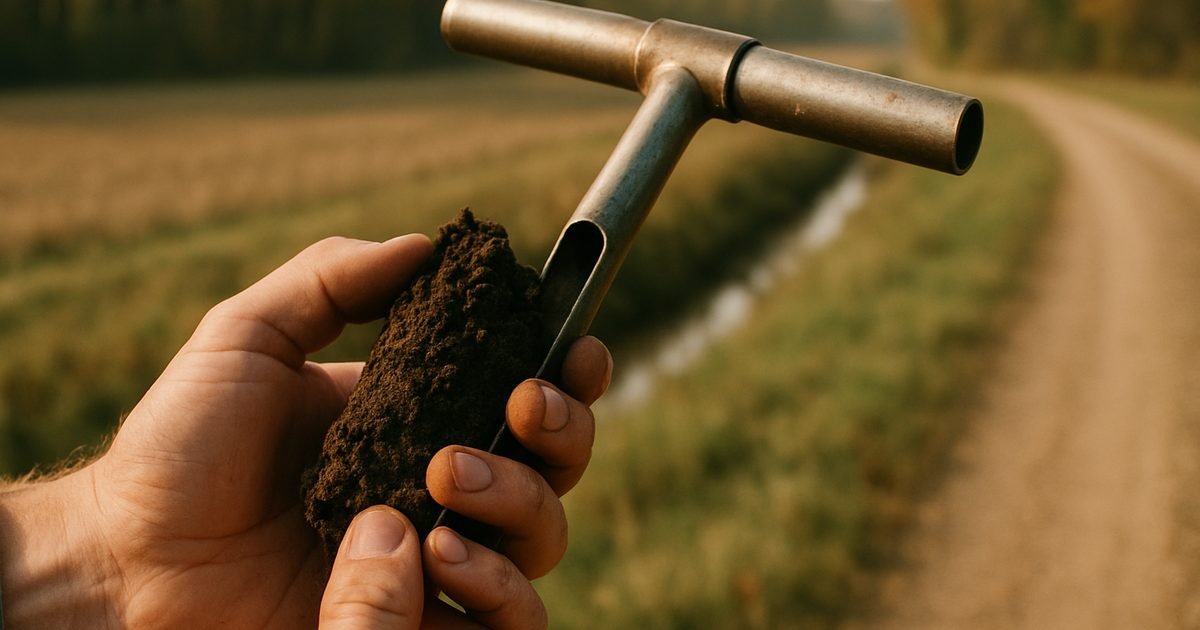
Falling in love with a piece of land is easy. The trees are golden, the view is beautiful and you can already picture the garden and the chicken coop. But a property that looks perfect on a sunny fall afternoon can hide problems that cost thousands to fix, or that can’t be fixed at all.
Before you make an offer, walk through this checklist. It will help you see past the view to what really matters on a homestead.
Key Takeaways
- Water, soil, sun and access matter more than the view.
- Zoning, deed restrictions and easements decide what you can actually do on the land.
- Check flood risk and winter road conditions before you buy.
- Make your offer contingent on inspections, a survey and a clear title.
1. Water
Water is the single most important thing to check. Is there an existing well? Ask for the well log, the flow rate and a recent water test. If there’s no well, talk to local well drillers about typical depths and costs in that area. Springs, creeks and ponds are lovely, but find out whether you have rights to use them. In some western states, water rights are separate from land ownership.
2. Soil
Good soil makes everything easier. Look up the parcel on the USDA Web Soil Survey, which is free online, to see soil types and drainage. Dig a few test holes, and send a sample to your county extension office for a soil test. Rocky, shallow or waterlogged ground can still work, but you’ll want to know before you buy.
3. Sun and Garden Space
Look for an open, fairly level area with at least six to eight hours of sun for the garden, ideally close to the house. Heavily wooded land is beautiful, but clearing it is expensive and slow. If you’re planning solar power, check for a spot with clear southern exposure.
4. Room for Animals
If livestock is part of your plan, is there enough pasture, or land that could become pasture? Look at existing fencing, shelter and water access for animals. Steep slopes, thick woods and wetlands don’t make good grazing.
5. Flooding and Drainage
Check FEMA flood maps, and look for clues on the land itself: debris lines on trees, low wet spots, or a dry creek bed that could flash flood in a heavy storm. Ask neighbors how the road and property fared in big storms. A low-lying parcel might be underwater every spring.
6. Road Access and Winter Conditions
Is the property on a public road that the county maintains and plows, or a private road shared with neighbors? If access crosses someone else’s land, make sure there’s a legal, recorded easement. Drive the road after a heavy rain and, if you can, in winter. A steep dirt lane can be impassable in mud or snow.
7. Utilities
What’s already in place? Power lines at the road? A septic system? Phone or internet lines? Bringing electricity a long distance or installing a septic system can cost tens of thousands of dollars. Get estimates before you make an offer. If the land has never had a septic system, a perc test will show whether the soil can support one.
8. Zoning, Restrictions and Easements
Check county zoning to make sure you can build the home you want, keep animals and run any home business you have in mind. Read the deed for covenants or restrictions, such as limits on livestock, mobile homes or outbuildings. Look for easements that give utilities or neighbors rights to cross the property. A title company or real estate attorney can help.
9. Internet and Cell Service
Many homesteaders work from home at least part time, and good internet can be hard to find in the country. Test cell signal at the property with your own phone, and look up what internet providers serve that address. Ask neighbors what they use and how well it works.
10. Neighbors, Commute and Community
Drive past at different times of day and on weekends. Is there a noisy business, a large livestock operation or a gravel pit nearby? How long is the drive to work, groceries, a hospital and the feed store? Stop and chat with a neighbor or two. They’ll tell you more than any listing.
A local newspaper or community page is also a great way to learn about the area, including planned developments, road projects and local issues.
Protect Yourself With Contingencies
When you make an offer, include contingencies for a satisfactory survey, title search, well and water tests, a perc test if needed and any building inspections. These let you walk away if a major problem turns up.
Frequently Asked Questions
How much land do I need for a homestead?
It depends on your goals. A family can grow a lot of food on an acre or two. Larger livestock like cattle need much more. Start with what you can manage and afford.
What’s the most expensive surprise for land buyers?
Often water: drilling a deep well or bringing in utilities. Get estimates early.
Do I need a survey?
Yes. A survey confirms boundaries, acreage and any encroachments.
Once your checklist looks good, there’s one more rule that matters most. Our next post covers why you should never buy land sight unseen. Until then, our guide to where to find affordable homestead land can help you widen your search.
Get a printable checklist for picking the best homestead property in our free Animals, Skills & Planning pack, available in our Free Downloads library.
Prefer to watch or listen? More practical homestead tips are on our YouTube channel — short, useful, no fluff. Subscribe on YouTube → The Homestead Frontier
Get Weekly Homestead Know-How That Actually Works
Practical tips on gardening, food preservation, DIY repairs and self-reliance, straight to your inbox. Free, no fluff.
Free. Unsubscribe anytime. We never share your email.