12 Skills Every Homesteader Should Learn (and How to Start Each One)
This page introduces twelve essential skills every homesteader should learn and provides simple steps to start each one. You'll find tips on gardening, cooking, and basic home repairs, plus advice on safety and finding mentors. Use this guide to build your skills slowly and sustainably.
You can buy land, tools and seeds, but you can’t buy the know-how to use them. That comes from practice, a few mistakes, and learning from people who’ve done it before. The good news is that nobody starts out knowing everything. Every experienced homesteader you admire learned these skills one at a time.
Here are twelve skills worth learning, and a small, realistic first step for each.
Key Takeaways
- Skills are the homestead’s most valuable and most portable asset.
- Learn one skill at a time, and practice it until it feels natural.
- Get proper safety training before tackling anything risky, like running a chainsaw or hunting.
- Local mentors, extension offices and classes speed up learning.
1. Growing Food
Everything starts here. Learn your growing zone and frost dates, how to start seeds, and how to build healthy soil.
First step: Grow one crop really well this season. Our raised garden bed guide is a good place to start.
2. Preserving Food
Canning, freezing, dehydrating, fermenting and root cellaring let you enjoy your harvest all year.
First step: Put up one batch of something using a tested recipe. Our water bath canning guide walks you through it.
3. Cooking From Scratch
Bread, beans, stock and simple meals from whole ingredients save money and use up what you grow.
First step: Bake a loaf of bread every week for a month.
4. Seed Saving
Saving seeds cuts costs and builds varieties adapted to your land.
First step: Save seeds from beans, peas or tomatoes. See our seed bank guide.
5. Animal Husbandry
Feeding, housing, handling and recognizing illness in animals is a skill in itself.
First step: Start with a small flock of chickens, and find a local vet who treats livestock before you need one.
6. Basic Carpentry
Coops, raised beds, shelves and fence repairs all start with measuring, cutting and fastening.
First step: Build something simple, like a compost bin or a sawhorse.
7. Basic Plumbing and Home Repair
Fixing a leaky faucet, replacing a toilet flapper and knowing where your shutoff valves are will save you money and midnight panics.
First step: Find and label every water shutoff in your home.
A note on electrical work: Changing a light switch is one thing, but wiring, panel work and generator hookups belong with a licensed electrician. Mistakes there can cause fires or serious injuries.
8. Tool Care and Small-Engine Maintenance
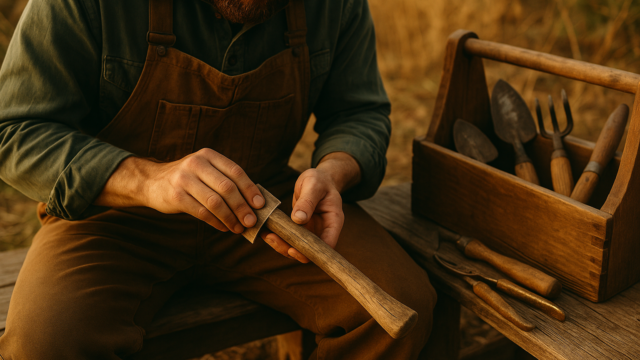
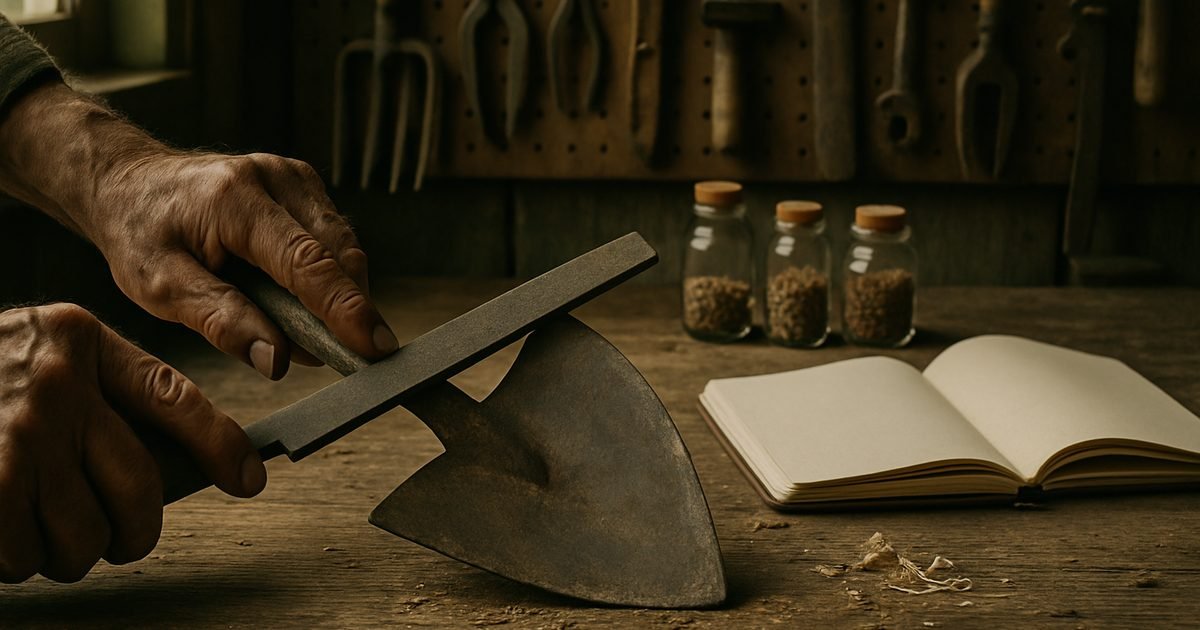
Sharp, clean, oiled tools last for decades. Changing the oil and spark plug in a mower or tiller is easy once you’ve done it once.
First step: Clean and sharpen your garden tools this fall before you put them away.
9. Woodcutting and Chainsaw Safety
If you heat with wood, you’ll need to fell, buck, split and stack it safely.
First step: Take a chainsaw safety course and wear full protective gear: chaps, helmet, eye and ear protection, and gloves.
10. First Aid
Homesteads are often far from help, and injuries happen.
First step: Take a first aid and CPR class through the Red Cross or a local provider.
11. Budgeting and Record-Keeping
Knowing what your eggs, garden and animals actually cost is how a homestead stays sustainable.
First step: Start a simple notebook or spreadsheet of homestead expenses and harvests.
12. Hunting, Fishing and Foraging (Optional)
Many homesteaders fill the freezer with game and fish. It’s a legitimate skill that demands serious safety training.
First step: Take a hunter education course, get the proper licenses, and learn to identify wild plants from a reliable local guide before eating anything foraged.
How to Learn Faster
- Find a mentor. Older neighbors, 4-H leaders and farmers are often happy to share.
- Use your county extension office. They offer classes, soil tests and expert advice, often free.
- Watch and practice. Videos help, but nothing replaces doing it with your own hands.
- Keep notes. Write down what worked, what didn’t and when.
Frequently Asked Questions
What skill should I learn first?
Growing a little food and cooking from scratch. They pay off immediately and build on each other.
Can I learn these skills without land?
Absolutely. Many can be practiced in an apartment, and others through community gardens or volunteering on farms. See our guide to homesteading with no land.
Each skill you pick up makes your homestead a little stronger. We share many of them in action on our YouTube channel, so come learn with us.
Get a printable home repair skills checklist (Fall, Winter & Home pack) and a daily homestead routines checklist (Animals, Skills & Planning pack), available in our Free Downloads library.
Prefer to watch or listen? More practical homestead tips are on our YouTube channel — short, useful, no fluff. Subscribe on YouTube → The Homestead Frontier
Get Weekly Homestead Know-How That Actually Works
Practical tips on gardening, food preservation, DIY repairs and self-reliance, straight to your inbox. Free, no fluff.
Free. Unsubscribe anytime. We never share your email.