How to Start Your Own Seed Bank: Saving and Storing Seeds for Next Year’s Garden
This page is about starting your own seed bank to save seeds for your garden next year. It explains why saving seeds is useful, how to choose the right seeds, and offers simple steps for drying and storing them. Use this guide to keep your favorite plant varieties growing year after year.
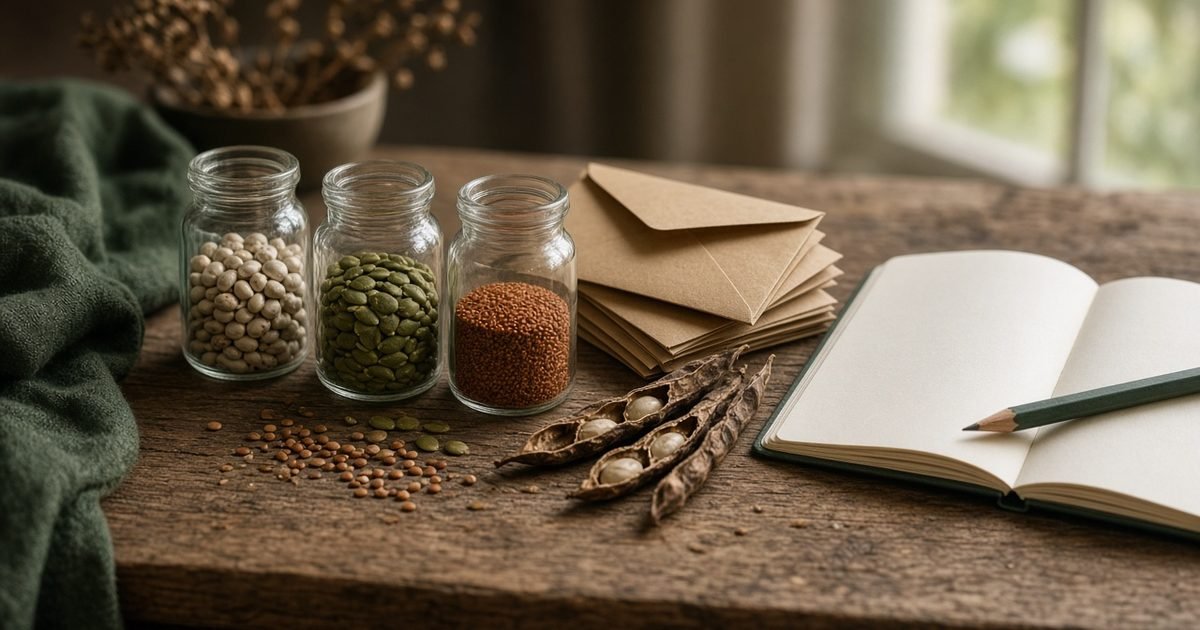
Every fall, homesteaders do something quiet and hopeful. We dry a few bean pods on the porch, scoop seeds from our best tomato and tuck away envelopes with next year’s garden inside. A home seed bank is simply a well-organized collection of those seeds, and it’s one of the most practical things you can build.
Saved seeds adapt to your soil and climate over time, cost almost nothing, and mean you’re never left scrambling when a favorite variety sells out. Here’s how to get started.
Key Takeaways
- Save seeds from open-pollinated or heirloom varieties. Seeds from hybrids won’t grow true to the parent.
- Beans, peas, tomatoes and lettuce are the easiest crops for beginners.
- Keep seeds cool, dark and dry. Moisture and heat are the enemies.
- Label everything, and test germination before planting older seeds.
Why Build a Home Seed Bank?
- Resilience. Seed shortages happen. Many gardeners remember empty seed racks in 2020. A home supply means you can plant regardless.
- Adaptation. Plants grown and selected in your garden year after year gradually suit your conditions better.
- Savings. A single tomato can provide more seeds than you’ll ever plant.
- Heritage. Many heirloom varieties survive today because home gardeners kept saving and sharing them.
Know Your Seed Types
- Open-pollinated (OP) plants are pollinated naturally, by insects, wind or themselves. Their seeds grow into plants like the parent, as long as they haven’t crossed with another variety.
- Heirloom varieties are open-pollinated types that have been passed down for generations, like Brandywine tomatoes or Kentucky Wonder beans.
- Hybrid (F1) seeds come from crossing two parent lines. They’re often vigorous, but their saved seeds produce unpredictable plants. Buy these fresh each year if you like them.
If the packet says “F1,” don’t count on saving its seed.
What to Put in Your Seed Bank
Start with crops your family actually eats, and favor productive, dependable varieties. A well-rounded starter collection might include:
- Beans. Bush and pole types such as Provider, Kentucky Wonder or Jacob’s Cattle. They’re self-pollinating and very easy to save.
- Peas. Green Arrow or Lincoln. Just let a few pods dry on the vine.
- Tomatoes. Brandywine, Amish Paste or Cherokee Purple.
- Lettuce and greens. Oakleaf, Black Seeded Simpson and Bloomsdale spinach.
- Squash. Waltham Butternut. Different squash in the same species cross easily, so grow one variety per species if you plan to save seed.
- Corn. Open-pollinated types like Reid’s Yellow Dent. Corn is wind-pollinated and needs a larger planting and isolation for pure seed, so it’s a better second-year project.
- Root crops. Beets and carrots are biennials that flower in their second year, so they’re more advanced.
- Herbs and flowers. Dill, cilantro, basil, marigolds and zinnias are easy and bring in beneficial insects.
How to Save Seeds, Crop by Crop
Beans and peas: the easy ones
Leave some pods on the plant until they’re dry, brown and rattly. Pick them, finish drying indoors for a week or two, then shell. If frost threatens first, pull whole plants and hang them in a dry garage.
Tomatoes: a little fermenting
Scoop seeds and pulp from a fully ripe fruit into a jar with a splash of water. Let it sit for two to four days until a film forms. This breaks down the gel coating. Rinse the good seeds that sink, then spread them on a plate or coffee filter to dry.
Lettuce: let it bolt
Let a few of your best plants flower and form fluffy seed heads. Shake or rub them into a paper bag once they’re dry.
Squash and melons
Harvest fully mature fruit. Squash for seed should be left on the vine until the rind is hard. Scoop, rinse and dry the seeds.
Always save from your best plants, the healthiest and most flavorful, not the leftovers.
Drying and Storing Seeds
Moisture and warmth are what ruin stored seed. Follow these basics:
- Dry thoroughly. Spread seeds in a single layer out of direct sun for one to three weeks. Large seeds should snap rather than bend when fully dry.
- Package in airtight containers. Glass jars with good lids, or paper envelopes placed inside a sealed jar. Add a packet of silica gel desiccant or a spoonful of dry powdered milk wrapped in tissue to absorb moisture.
- Keep them cool and dark. A steady spot around 40°F or cooler is ideal. The refrigerator works well if the containers are airtight, and the freezer is fine for fully dried seeds. A cool closet is okay for short-term storage.
- Label everything. Variety name, date saved and any notes, like “earliest ripening” or “grew by the fence.”
How Long Do Seeds Last?
Stored well, many seeds keep for years, though germination slowly declines:
- 1–2 years: onions, parsnips, parsley, corn.
- 3–4 years: beans, peas, carrots, peppers, spinach.
- 4–6 years: tomatoes, squash, lettuce, beets.
- 5+ years: cucumbers, melons.
Rotate your stock by planting older seeds and replacing them with fresh saves each year.
Test Before You Trust
Before spring planting, roll ten seeds in a damp paper towel, slip it into a plastic bag and keep it somewhere warm. Count how many sprout in a week or two. Eight sprouts means about 80% germination, so plant a little thicker if the number is low.
Frequently Asked Questions
Can I save seeds from store-bought produce?
Sometimes, but many grocery vegetables are hybrids, so results are unpredictable. It’s better to start with open-pollinated seed from a reputable seed company or a local seed swap.
Do I need to worry about GMO seeds?
With very few exceptions, genetically engineered varieties aren’t sold in ordinary home-garden seed packets, and the rare ones that are get clearly labeled. For seed saving, what matters more is choosing open-pollinated varieties over hybrids.
How many seeds should I store?
Save enough for at least two plantings of each crop, in case the first fails, plus extra to share or trade.
Start with one easy crop this fall. Beans drying on the porch are a perfect beginning. Then pair your seed bank with a good garden bed. Our raised garden bed guide is a great place to put those seeds to work come spring.
Keep your garden plans on track with our free printable Garden, Water & Energy checklists, available in our Free Downloads library.
Prefer to watch or listen? More practical homestead tips are on our YouTube channel — short, useful, no fluff. Subscribe on YouTube → The Homestead Frontier
Get Weekly Homestead Know-How That Actually Works
Practical tips on gardening, food preservation, DIY repairs and self-reliance, straight to your inbox. Free, no fluff.
Free. Unsubscribe anytime. We never share your email.