
Weathering Lean Seasons: How Homesteaders Stay Steady When Times Get Tough
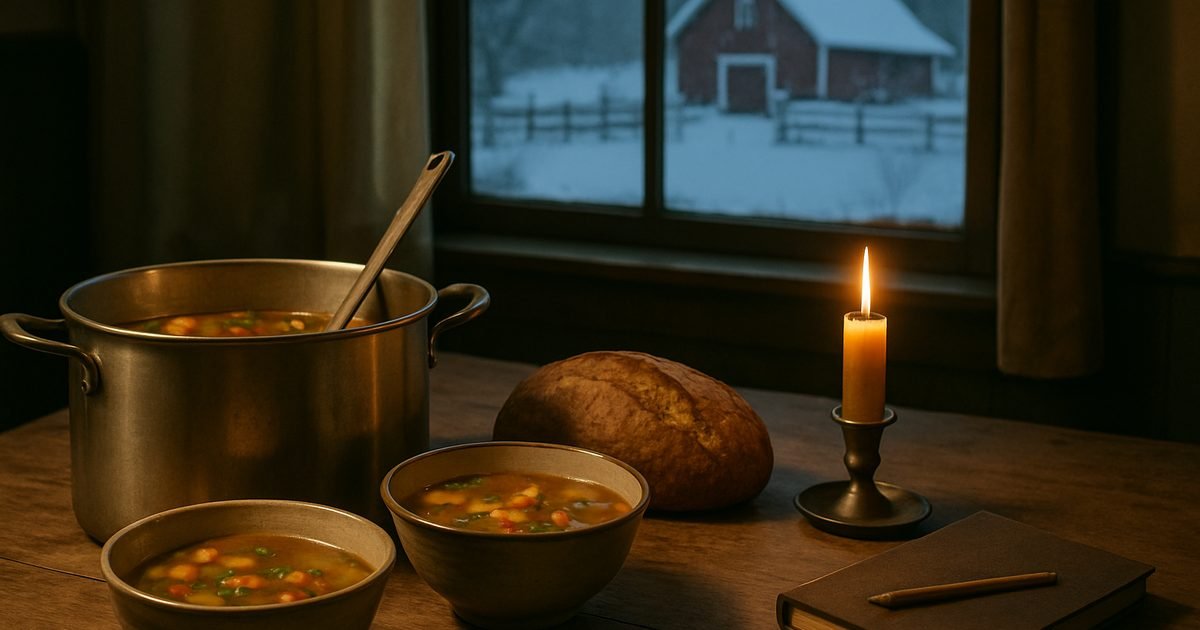
Every homestead has seasons of plenty and seasons when things get hard. A week of ice takes out the power. Hail flattens the garden in July. A job ends unexpectedly, or someone in the family gets sick right at harvest time. Out in the country, help can also be slower to arrive. Roads in town get plowed first, and the power crews often reach rural lines last.
What sets steady homesteads apart isn’t luck. It’s a handful of simple reserves and habits, built up a little at a time, that turn a crisis into an inconvenience. Here’s how to build yours.
Key Takeaways
- Plan for ordinary hard times: storms, outages, job loss, illness and poor harvests.
- Aim to manage at least two weeks without power or a trip to town.
- Keep reserves of food, animal feed, fuel and money.
- Neighbors and community are the strongest safety net of all.
Rural Life Means Planning Ahead
When you live at the end of a long gravel road, you learn to take care of yourself for a while. That isn’t about expecting the worst. It’s simply practical. A little planning means a storm becomes a cozy few days at home instead of a scramble.
Start by listing the hard times your area really faces. Ice storms? Floods? Wildfire smoke? Long, hot droughts? Then plan for those first.
Keep the Lights (and Water) On
A two-week power outage is a good target to plan for.
- Backup power: A generator can keep the freezer, well pump and a few lights running. Have it connected by a licensed electrician with a proper transfer switch, run it outdoors only, and store fuel safely in approved cans. A solar and battery setup is a quiet alternative.
- Water: If your well pump needs power, store drinking water for people and animals, and know how you’ll refill it.
- Light: LED lanterns, headlamps and spare batteries.
- Heat: A wood stove or other heat source that works without electricity. See our guide to alternative home heating options.
Be Able to Cook
A propane range or a wood cookstove keeps meals coming when the power is out. Keep extra propane on hand, and have a few no-cook meals in the pantry for the busiest days.
Food for Everyone, Including the Animals
A working pantry with a few weeks to a few months of food your family enjoys is the foundation. Our guides to stocking a homestead pantry and long-term food storage cover the details.
Don’t forget the animals. Keep at least a month of feed and enough hay to get through a snowed-in stretch, stored dry and off the ground. Have a plan for thawing water in freezing weather.
Fuel for the Work
Rural homesteads run on equipment. After a storm, you may need the chainsaw to clear a fallen tree from the driveway, or the tractor to move snow. Keep fuel cans filled and stored safely away from the house, add fuel stabilizer to gas that will sit, and rotate it every few months. Keep chains sharp and equipment serviced in fall.
Money Is a Reserve, Too
Many of the hardest seasons are financial: a job loss, a medical bill, a failed crop or a broken-down truck. An emergency fund is one of the most powerful tools a homestead can have.
- Start small. Even one month of essential expenses set aside makes a real difference.
- Pay down high-interest debt when you can.
- Keep homestead costs lean so a tight month doesn’t become a crisis.
- Develop skills or small side income streams you can lean on.
When the Garden Fails
Every gardener has a bad year. Spread your risk by growing a variety of crops, planting in succession, and putting up extra in good years. A full pantry from last summer is what carries you through this summer’s hailstorm.
Take Care of Yourselves
Lean seasons are hard on people, too. Keep a basic first aid kit and know how to use it. Keep any needed prescriptions filled. And give yourself grace. Some seasons are about getting through, not getting ahead. The chores will wait while you rest.
Lean on Your Community
Homesteaders have always pulled through hard times together. Get to know your neighbors before you need them. Swap phone numbers, share what equipment each of you has, and check on older neighbors during storms. Churches, granges, 4-H clubs and local farm groups are full of people who’ll lend a hand, and who’ll be grateful for yours.
Frequently Asked Questions
Where should I start if I’m not prepared at all?
Water, two weeks of easy food, a way to cook without power, light and a first aid kit. Then add animal feed, fuel and an emergency fund.
Do I really need a generator?
Not necessarily. Many homesteaders get by with a wood stove, propane cooking, lanterns and a full pantry. A generator is helpful if you have a well pump or a full freezer.
How do I keep stored fuel fresh?
Use approved containers, add fuel stabilizer, store it away from the house and rotate it every few months.
Lean seasons come and go, and every one you weather makes you stronger. For more calm, practical ideas, read our guide to being prepared like a homesteader and work through our fall winterizing checklist.
Get printable winterizing, alternative heating and fire safety checklists in our free Fall, Winter & Home pack, available in our Free Downloads library.
Prefer to watch or listen? More practical homestead tips are on our YouTube channel — short, useful, no fluff. Subscribe on YouTube → The Homestead Frontier
Get Weekly Homestead Know-How That Actually Works
Practical tips on gardening, food preservation, DIY repairs and self-reliance, straight to your inbox. Free, no fluff.
Free. Unsubscribe anytime. We never share your email.