Alternative Home Heating Options for the Homestead: Pros, Cons and Safety
Learn about different ways to heat your home if you cannot always rely on electricity. This page covers pros, cons, and safety tips for options like wood and pellet stoves, propane heaters, and more. Get practical advice to help you choose the best heating solution for your home.
There’s nothing like the warmth of a wood fire on a January morning, especially when you know the power lines outside are coated in ice. Whether you want to cut your heating bill, become more self-reliant or just have a backup for when the power goes out, an alternative heat source is one of the best investments a homestead can make.
Each option comes with trade-offs in cost, labor and safety. Here’s an honest look.
Key Takeaways
- Choose heating that fits your climate, your fuel supply and how much work you want to do.
- Any fuel-burning appliance needs professional installation, proper venting and working carbon monoxide alarms.
- A backup heat source that works without electricity is valuable in cold climates.
- The cheapest heat of all is the heat you don’t lose, so insulate and seal first.
First: Keep the Heat You Have
Before buying a new stove, tackle air leaks and insulation. Weatherstripping, caulking, window coverings and attic insulation often pay for themselves in one season. Our fall winterizing checklist covers the basics.
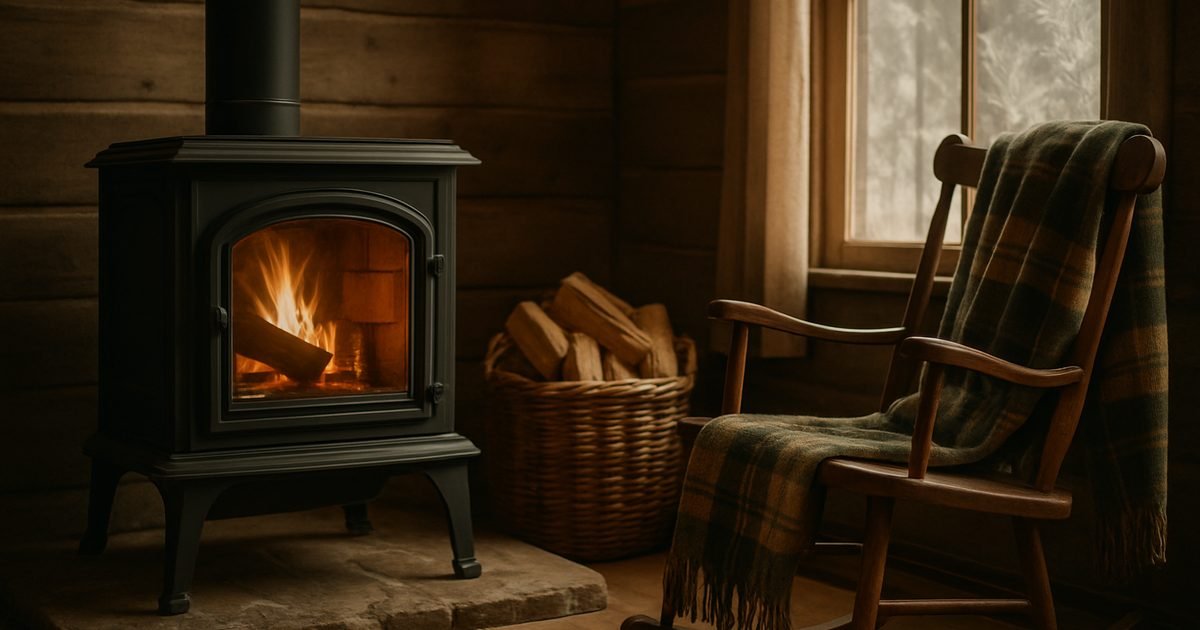
Wood Stoves
Pros: A renewable fuel you may be able to cut yourself, works without electricity, cooks food and heats water in a pinch, and has an unbeatable cozy factor.
Cons: Hard work (cutting, splitting, stacking and hauling), needs a seasoned wood supply planned a year ahead, requires ash removal and chimney cleaning, and some areas restrict wood burning.
Tips:
- Choose an EPA-certified stove. Modern stoves burn cleaner and use much less wood than older models.
- Burn only seasoned hardwood, split and dried for 6–12 months, with a moisture content under about 20%.
- Have the chimney inspected and cleaned every year to prevent creosote fires.
Pellet Stoves
Pros: Clean-burning, thermostat control, easy to load and store (bagged pellets), and less mess than wood.
Cons: Most need electricity to run fans and augers, so they won’t work in an outage without a backup power source. You also depend on buying pellets.
Propane and Natural Gas Heaters
Pros: Convenient, reliable and easy to control. Vented wall heaters can work without electricity.
Cons: Fuel costs rise and fall, and you depend on deliveries.
Safety: Use vented, professionally installed units for regular heating. Portable propane heaters should be used indoors only if the label says they’re rated for indoor use, and never while sleeping.
Masonry Heaters
Pros: A short, very hot fire heats a large mass of stone or brick, which radiates gentle warmth for many hours. Extremely efficient.
Cons: Expensive to build, very heavy (it needs a proper foundation), and requires a skilled builder.
Passive Solar
Pros: Free heat once it’s built. South-facing windows, thermal mass like stone floors or water barrels, and good insulation can dramatically cut heating needs.
Cons: Easiest to design into new construction. It depends on sunny winter days and needs backup heat.
Small start: Open south-facing curtains on sunny days and close all curtains at night.
Geothermal Heat Pumps
Pros: Very efficient, low operating cost, and they heat and cool.
Cons: High upfront cost, and they need electricity. Check for current tax credits and utility rebates, which change over time.
Safety Is Not Optional
- Carbon monoxide alarms on every level and near sleeping areas. Test them monthly.
- Smoke alarms and a fire extinguisher near every heat source.
- Clearances: Keep furniture, curtains and firewood at the distances the manufacturer specifies.
- Never use a generator, grill, camp stove or oven to heat your home.
- Permits: Check local codes and your insurance company before installing a stove.
Frequently Asked Questions
What’s the best backup heat for a power outage?
A wood stove or a vented propane heater that doesn’t need electricity. Both need proper installation.
How much firewood do I need for winter?
It varies widely with climate, house size and stove efficiency. Many households burn anywhere from 2 to 6 cords. Keep records your first year.
Can I install a wood stove myself?
Check local codes first. Many areas require a permit and an inspection, and your insurer may require professional installation.
Whatever you choose, plan ahead so you’re warm long before the first cold snap. For more cold-weather readiness, see how to be prepared like a homesteader.
Get a printable alternative heating checklist in our free Fall, Winter & Home pack, available in our Free Downloads library.
Prefer to watch or listen? More practical homestead tips are on our YouTube channel — short, useful, no fluff. Subscribe on YouTube → The Homestead Frontier
Get Weekly Homestead Know-How That Actually Works
Practical tips on gardening, food preservation, DIY repairs and self-reliance, straight to your inbox. Free, no fluff.
Free. Unsubscribe anytime. We never share your email.