How to Be Prepared Like a Homesteader (Even If You Live in Town)
This page offers tips on how to prepare for emergencies like storms or power outages, even if you live in the city. It covers essentials like storing water, food, and having backup heat and light. You can also learn about planning for animals, managing money, and building community support.
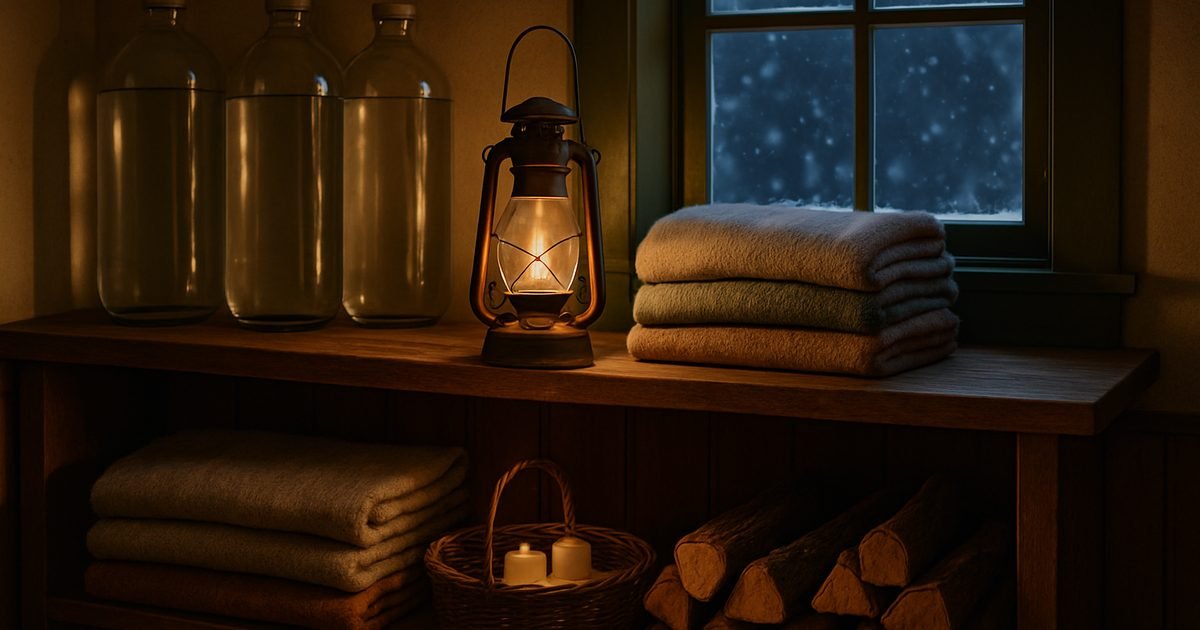
When an ice storm knocks out power for three days, you can usually tell the homesteaders from everybody else. They aren’t racing to the store for the last case of water. They light a lantern, put a pot of soup on the woodstove and check on the animals. That calm isn’t luck. It comes from a habit of being prepared for ordinary emergencies, and it’s a habit anyone can build, whether you’re on 40 acres or in a townhouse.
Key Takeaways
- Preparedness is about everyday disruptions like storms, power outages and job loss.
- Cover the basics first: water, food, heat, light, first aid and communication.
- Animals need their own emergency plan.
- Good neighbors are the most valuable preparedness asset of all.
Start With Water
Ready.gov recommends at least one gallon of water per person per day, with at least a several-day supply on hand (two weeks is better if you can manage it). Remember pets and livestock too. A milking goat or a horse drinks far more than you do.
- Store water in food-grade containers, labeled with the date.
- Know how to shut off your home’s main water valve.
- If you’re on a well with an electric pump, plan for outages: store water, or look into a hand pump or a generator hookup installed by a licensed electrician.
- Keep a way to purify water, such as a quality filter or unscented bleach and the instructions for using it.
Keep a Working Pantry
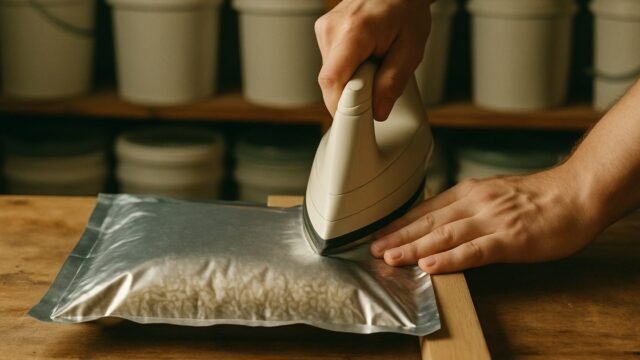
A pantry that you actually eat from is the easiest food insurance there is. Stock foods your family already likes and rotate them: first in, first out. Include a few meals that need no cooking, plus a manual can opener. Our guide to stocking a homestead pantry covers it in detail.
Heat and Light
- Backup heat: A properly installed woodstove is a homestead classic. If you rely on anything else, use only heaters rated for indoor use. Never run a generator, grill or camp stove indoors or in a garage.
- Carbon monoxide alarms belong on every level of your home, with fresh batteries.
- Light: LED lanterns and headlamps are safer than candles. Keep extra batteries or a solar charger.
- Insulation you already own: Close off unused rooms, hang blankets over doors and gather in one room.
First Aid and Medications
Keep a well-stocked first aid kit and know how to use it. A basic first aid and CPR course is one of the best preparedness investments you can make. If anyone in your household takes prescription medication, talk with your doctor or pharmacist about keeping a small supply on hand for emergencies.
Communication and Information
- A battery or hand-crank weather radio keeps you informed when cell service and internet go down.
- Keep phones and power banks charged when storms are forecast.
- Write down important phone numbers on paper.
- Agree on a family meeting spot and an out-of-area contact.
Take Care of the Animals
Livestock depend on you completely, so plan for them first.
- Keep at least a few weeks of feed and hay stored dry and off the ground.
- Have a plan for thawing or heating water in freezing weather.
- Know how you’d evacuate or shelter animals if needed.
- Keep your vet’s number handy, and a basic animal first aid kit.
Money Is Preparedness Too
Job loss, medical bills and surprise repairs are the emergencies most families actually face. A small emergency fund, low debt and some skills you can barter or sell are as much a part of preparedness as a stocked pantry.
Neighbors and Community
Homesteaders have always relied on each other. Know who on your road has a tractor, a generator or medical training, and let them know what you can offer. Check on elderly neighbors during storms. A community that looks out for each other weathers hard times better than any one family could.
Frequently Asked Questions
Isn’t preparedness expensive?
It doesn’t have to be. Add a few extra cans or a gallon of water to each grocery trip, and build skills that cost nothing but time.
Where should a beginner start?
Water, a week of easy food, flashlights and a first aid kit. Then work toward two weeks.
Do I need a generator?
It’s helpful, but not essential. If you get one, have it connected by a licensed electrician with a proper transfer switch, and run it outdoors, well away from windows.
Preparedness goes hand in hand with our fall winterizing checklist. Tackle both before the first big storm. For more tips on the go, visit our Audio Tips page.
Get printable winterizing, alternative heating and fire safety checklists in our free Fall, Winter & Home pack, available in our Free Downloads library.
Prefer to watch or listen? More practical homestead tips are on our YouTube channel — short, useful, no fluff. Subscribe on YouTube → The Homestead Frontier
Get Weekly Homestead Know-How That Actually Works
Practical tips on gardening, food preservation, DIY repairs and self-reliance, straight to your inbox. Free, no fluff.
Free. Unsubscribe anytime. We never share your email.