
Fall Homestead Winterizing Checklist: 25 Jobs to Finish Before the First Hard Freeze
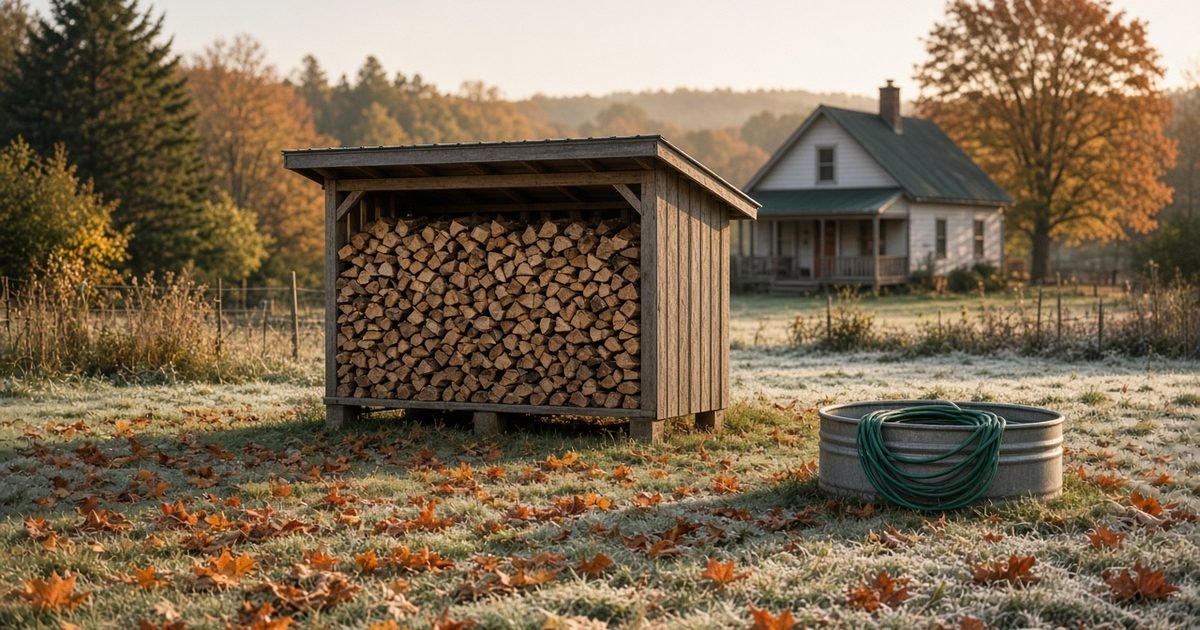
This page has a checklist for getting your home and animals ready for winter. You can print the checklist and use it to make sure everything is safe and warm before the cold hits. It covers things like heating, water, and shelter needs.
There’s a particular feeling that comes with the first frosty morning of fall. The air smells like woodsmoke, the garden is winding down, and a little voice in the back of your head starts asking, “Did we get everything done?” This checklist is our answer to that voice.
We’ve grouped the jobs by area so you can knock them out over a few weekends in October. Print it, tape it to the fridge, and cross things off as you go. There’s nothing more satisfying than a winter storm rolling in when you know the homestead is ready for it.
Key Takeaways
- Start in early October. Most jobs are easier before the ground freezes and the days get short.
- Focus first on the big three: heat, water and shelter for people and animals.
- Safety comes first. Get the chimney swept and test your smoke and carbon monoxide detectors.
- Keep a simple outage kit, because winter storms and power cuts go together.
The House: Keep the Heat In
- Walk the house looking for drafts. On a windy day, hold a stick of incense or a damp hand near window frames, outlets on exterior walls and door edges. Wherever you feel air moving, you’re paying to heat the outdoors.
- Seal gaps. Fresh weatherstripping on doors, a door sweep on the bottom, and exterior-grade caulk around window trim are cheap fixes with a big payoff.
- Check the attic insulation. If you can see the tops of the ceiling joists, you probably need more. Look for damp or compressed spots that hint at a roof leak.
- Inspect the roof and gutters. Replace loose or missing shingles and clear the gutters after the leaves drop so meltwater has somewhere to go instead of backing up under the shingles.
- Consider a programmable or smart thermostat. Turning the heat down a few degrees at night and while you’re out working saves fuel all winter.
- Set the water heater to about 120°F. That’s comfortable for most households and avoids wasting energy.
Heat Sources: Safety First
- Have the chimney swept and inspected before your first fire of the season. Creosote buildup is a leading cause of chimney fires. A certified sweep will also spot cracked flue liners and bad caps.
- Service the furnace or boiler. Change filters and have a technician look over gas or oil systems.
- Test smoke and carbon monoxide detectors and put in fresh batteries. If you burn wood, propane or kerosene, or run a generator, a CO detector on every sleeping level is non-negotiable.
- Stock and store firewood properly. Keep the main pile off the ground, covered on top, and well away from the house. Wood stacked against siding invites termites, carpenter ants and mice. We explain why in our Audio Tips episode on firewood.
- Lay in extra fuel. If you heat with propane or oil, top off the tank before winter prices and delivery delays hit.
Water Lines and Plumbing
- Insulate exposed pipes in crawl spaces, garages and along exterior walls with foam sleeves. For trouble spots, use thermostatically controlled heat cable installed to the maker’s instructions.
- Drain and disconnect garden hoses. Shut off and drain exterior spigots, or install frost-free hydrants.
- Know where your main water shutoff is, and make sure everyone in the house does too. A burst pipe is far less of a disaster if you can stop the water in thirty seconds.
- Blow out or drain irrigation lines and drip systems so they don’t crack.
Barn, Coop and Livestock
- Keep water from freezing. Heated waterers or stock-tank de-icers save you from chipping ice at dawn. Check cords for chew damage and use outdoor-rated outlets.
- Winterize shelters. Animals need protection from wind and wet more than they need warmth. Close up drafts at animal height but keep ventilation up high, especially in chicken coops, where trapped moisture leads to frostbite.
- Lay in feed and bedding. Buy hay while it’s available and store it dry. Stock up on straw or shavings.
- Plan for dark mornings. A headlamp by the door and a working light in the barn make chores safer.
Garden and Grounds
- Put the garden to bed. Pull spent plants, especially diseased ones. Spread compost, then mulch beds with shredded leaves or straw. If you built a raised bed this year, our raised garden bed guide has tips on topping it up for spring.
- Plant garlic a few weeks before the ground freezes, and mulch it well.
- Clean, sharpen and oil tools before storing them, and drain gas from small engines or add fuel stabilizer.
Vehicles, Snow and Outages
- Winterize vehicles and equipment. Check tires, antifreeze, wipers and batteries. Keep a blanket, flashlight, snacks and a small shovel in each vehicle.
- Get snow gear ready. Test the snow blower, set out shovels, stock sand or ice melt, and mark driveway edges with reflective stakes before the first snowfall.
- Build an outage kit. Flashlights or lanterns with spare batteries, a way to cook without power, stored drinking water and a few days of easy meals. If you own a generator, run it now, change the oil, store fuel safely, and never operate it indoors or in an attached garage.
Frequently Asked Questions
When should I start winterizing?
Early October works for most of the northern half of the country. The goal is to finish outdoor jobs before the ground freezes and the days turn short and cold.
Do chickens need a heated coop?
Most cold-hardy breeds do fine without supplemental heat as long as the coop is dry, draft-free at roost level and well ventilated. Heat lamps are a real fire risk in coops, so use them only with great care, if at all.
What’s the single most important winter job?
Safe heat. A clean chimney, working detectors and a backup plan for keeping warm during an outage matter more than anything else on this list.
Work through this list a few items at a time and you’ll head into winter with peace of mind. Stay tuned: later this month we’ll cover alternative heating options and stocking a homestead pantry that carries you through the cold months.
Want this list on paper? Our free Fall, Winter & Home checklist pack includes a printable winterizing checklist. Get it in our Free Downloads library.
Prefer to watch or listen? More practical homestead tips are on our YouTube channel — short, useful, no fluff. Subscribe on YouTube → The Homestead Frontier
Get Weekly Homestead Know-How That Actually Works
Practical tips on gardening, food preservation, DIY repairs and self-reliance, straight to your inbox. Free, no fluff.
Free. Unsubscribe anytime. We never share your email.