9 Small Steps to a Backyard Homestead (Starting This Fall)
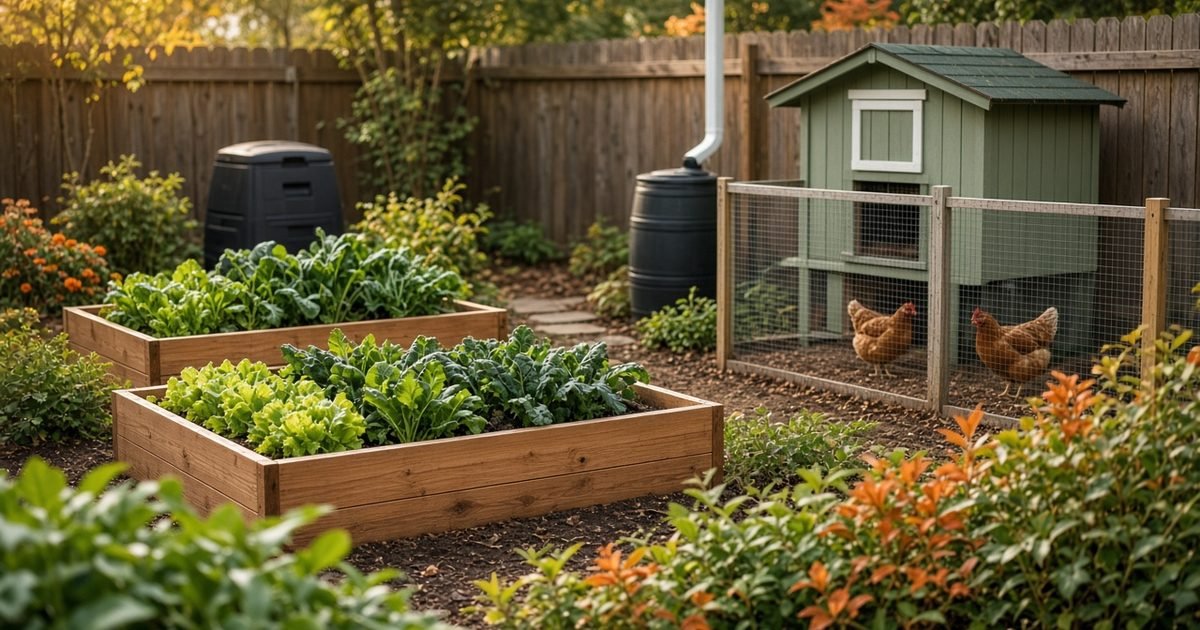
This page provides easy steps to start a small backyard homestead. You can learn how to grow your own vegetables, keep compost, and even raise a few hens. It's perfect if you want to begin a self-sufficient lifestyle right in your yard.
Maybe you’ve pictured it a hundred times: rows of beans, a shelf full of canned tomatoes, a hen or two scratching around the yard. Then you look out the back window at a quarter-acre suburban lot and wonder if that dream is out of reach.
It isn’t. Some of the most productive homesteads we know sit on ordinary town lots. The trick is to scale the dream to the space you have and build it one step at a time. And here’s a secret most beginners don’t realize: fall is one of the best times to start. The soil is warm, the bugs are fading, and the work you do now pays off next spring.
Key Takeaways
- Start with one or two projects, not nine at once.
- Compost and soil-building are the foundation of everything that grows.
- Check local rules before adding chickens or bees.
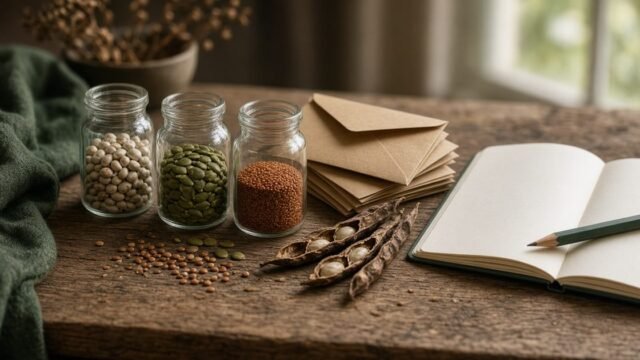
- Keep notes. Your homestead notebook becomes your best teacher.
Step 1: Start Small and Keep It Simple
The most common reason backyard homesteads fizzle is trying to do everything in year one. Pick one growing project and one “kitchen” project. For example, a single raised bed and learning to make salsa. Master those, then add more. You’ll hear this advice from us a lot because it’s the one that makes the biggest difference.
Step 2: Start a Compost Pile Now
Fall is compost season. You have piles of free brown material falling from the trees, and you still have green material from spent garden plants and kitchen scraps. A simple bin made from pallets, or a wire cylinder, works fine.
- Aim for roughly two to three parts browns (leaves, straw, cardboard) to one part greens (vegetable scraps, coffee grounds, grass clippings).
- Keep it about as damp as a wrung-out sponge.
- Turn it when you think of it. More turning means faster compost.
- Skip meat, dairy and oily foods, which attract pests.
By spring, you’ll have the start of rich, dark soil for your beds.
Step 3: Build or Fill One Garden Bed
If you don’t have a garden yet, build one this fall so it’s ready to plant in spring. Our step-by-step guide to building a simple raised garden bed covers materials, placement and filling it. A great fall trick is “lasagna layering”: cardboard on the bottom, then alternating layers of leaves, compost and soil. It breaks down over winter into beautiful planting soil.
Step 4: Plant Something This Season
Even in October, you can plant:
- Garlic, which goes in a few weeks before the ground freezes and is harvested next summer.
- Fall greens like spinach, kale and lettuce under a simple row cover or cold frame.
- Spring bulbs and perennial herbs such as chives and thyme.
Getting something in the ground now builds momentum and gives you something to look forward to.
Step 5: Grow a Kitchen Herb Garden in Pots
Herbs are forgiving and useful, and they’re easy to bring indoors for winter. Parsley, chives, thyme, oregano and rosemary do well in containers on a sunny windowsill. Snipping fresh herbs for dinner in January is a small joy that makes you feel like a homesteader, no matter the size of your yard.
Step 6: Consider a Few Backyard Hens
A small flock of three or four hens can supply a family with fresh eggs most of the year, eat kitchen scraps and add to your compost. Before you buy anything, though:
- Check your city or county rules and any HOA covenants. Many towns allow hens but not roosters, and some cap flock size.
- Skip the rooster. Hens lay eggs just fine without one, and your neighbors will thank you for the quiet mornings. You only need a rooster if you want to hatch chicks.
- Plan the coop before the chicks. Fall and winter are great times to build or buy a secure, well-ventilated coop so you’re ready for spring chicks at the feed store.
Step 7: Learn One Preserving Skill
A backyard homestead isn’t only about growing. It’s also about putting food by. Pick one method and learn it well:
- Water bath canning for high-acid foods like tomatoes, salsa, jams and pickles. Our water bath canning basics guide is the place to start.
- Freezing and dehydrating for herbs, apples and peppers.
Always use tested recipes from reliable sources like the USDA or the National Center for Home Food Preservation.
Step 8: Try a Simple Homemade Product
Homesteading is about making as well as growing. This winter, try one homemade project: a batch of beeswax candles, a simple all-purpose cleaner, homemade bread, or herb-infused vinegar. These small projects build confidence, and they make wonderful gifts for the holidays.
Step 9: Keep a Homestead Notebook
This one sounds boring, but it may be the most valuable step of all. Write down:
- What you planted, where, and when.
- When you harvested, and how much.
- What went wrong: pests, weather, a recipe that flopped.
- Ideas for next year.
Date every entry. In two or three years, that notebook becomes a custom guide to your own land and climate. It’s one of our favorite Audio Tips for a reason.
Frequently Asked Questions
How much space do I need for a backyard homestead?
Less than you’d think. A 4×8-foot raised bed, a compost bin, a few containers and a small coop can fit on many town lots.
Can I really start a garden in the fall?
Yes. Fall is ideal for building beds, improving soil, planting garlic and growing cold-hardy greens. You’ll be a step ahead when spring arrives.
Do backyard chickens smell?
A clean, dry, well-ventilated coop with a small flock shouldn’t smell much. Regular bedding changes and composting the old bedding keep things fresh.
Your backyard homestead doesn’t have to look like anyone else’s. Start with one step this week. If you want the bigger picture of what homesteading means, read our post on what homesteading really is.
Planning your backyard homestead? Our free Survival Homestead Starter Guide and printable checklists can help. Find them in our Free Downloads library.
Prefer to watch or listen? More practical homestead tips are on our YouTube channel — short, useful, no fluff. Subscribe on YouTube → The Homestead Frontier
Get Weekly Homestead Know-How That Actually Works
Practical tips on gardening, food preservation, DIY repairs and self-reliance, straight to your inbox. Free, no fluff.
Free. Unsubscribe anytime. We never share your email.