Buff Orpington vs. Rhode Island Red: Choosing Your Homestead Chicken
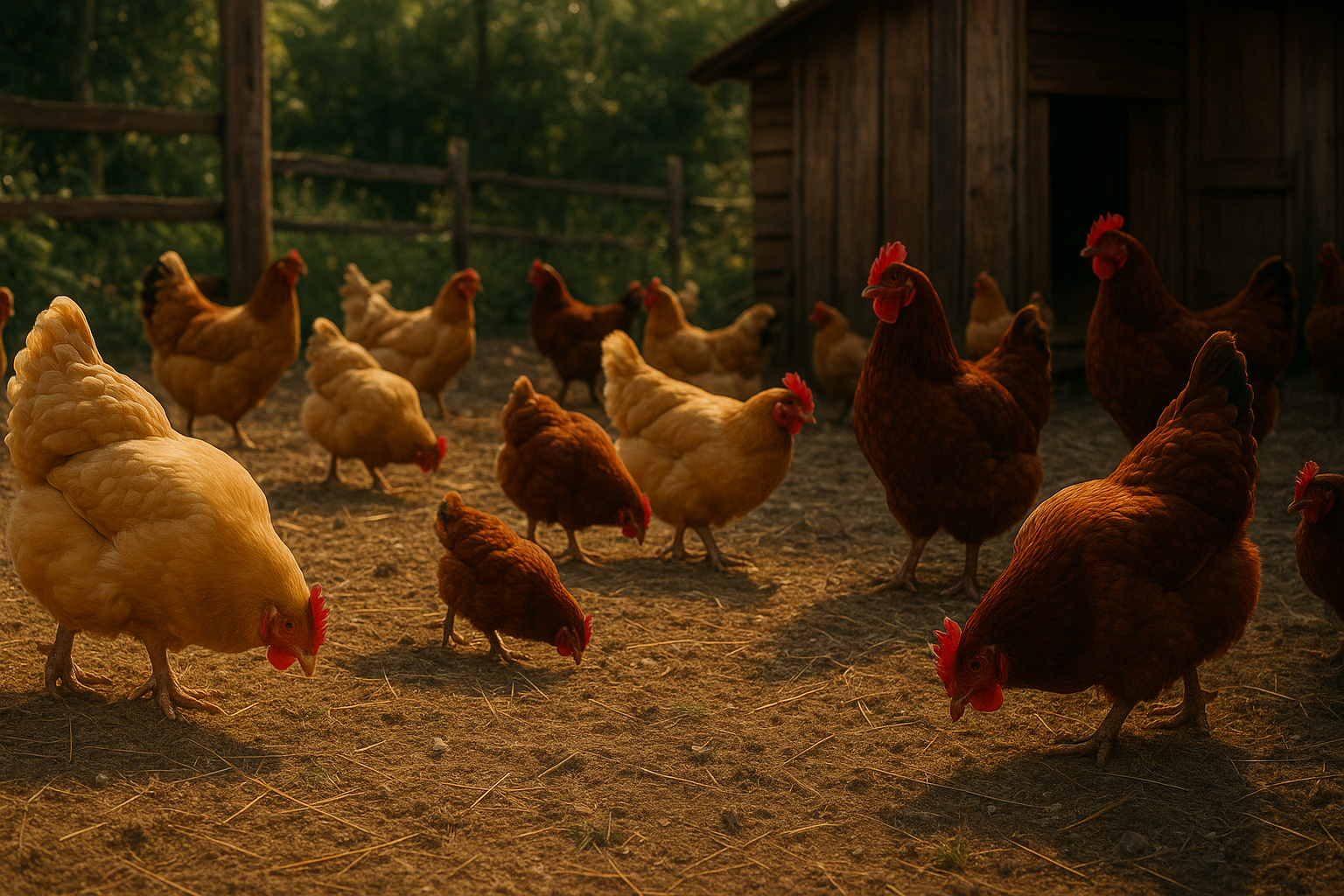
This page helps you decide between two popular chicken breeds for your home: Buff Orpingtons and Rhode Island Reds. It explains their differences in personality, egg-laying, and climate needs, so you can choose the best fit for your homestead.
Choosing the right chicken breed for your homestead can be an egg-citing adventure, especially when you’re torn between two classic dual-purpose breeds: the Buff Orpington and the Rhode Island Red. Each has its unique set of qualities, making the decision more than just a feathered whim.
Key Takeaways
- Buff Orpingtons are known for their calm nature and excellent egg-laying abilities, making them a great family-friendly choice.
- Rhode Island Reds offer robust health and good meat production, ideal for a self-sufficient homestead.
- Consider climate, space, and specific homestead needs when choosing between these breeds.
- Both breeds are winter-hardy, ensuring egg production doesn’t fall off in the colder months.
To make an informed choice, let’s dive deeper into what each breed brings to the coop.
Buff Orpington: The Golden Gentle Giant
Imagine a chicken that seems to have floated in from a fairytale—the Buff Orpington. Known for their golden plumage and gentle temperament, Buff Orpingtons are often referred to as the ‘teddy bears’ of the poultry world. They are ideal for homesteads with children, as they are calm and easy to handle.
Buff Orpingtons are prolific layers, producing about 200 to 280 brown eggs annually. Their large size also makes them decent meat birds, presenting a dual-purpose advantage. These chickens thrive in colder climates due to their thick feathering, providing warmth and thus maintaining egg production even in the chillier months. If you’re planning to create a homestead in your backyard, these birds can make a charming addition.
On the downside, Buff Orpingtons can be prone to broodiness, meaning they often want to sit on eggs to hatch them. Whether this is a plus or minus depends on if you’re interested in raising chicks!
Rhode Island Red: The Hardy Performer
Rhode Island Reds are a staple on many homesteads for good reason. This breed is robust, adaptable, and excellent at foraging, which can lighten the feed bill if they’re allowed to range freely. Their capacity to thrive in varied climates is only matched by their productivity. A well-cared-for Rhode Island Red can lay between 250 to 300 eggs per year.
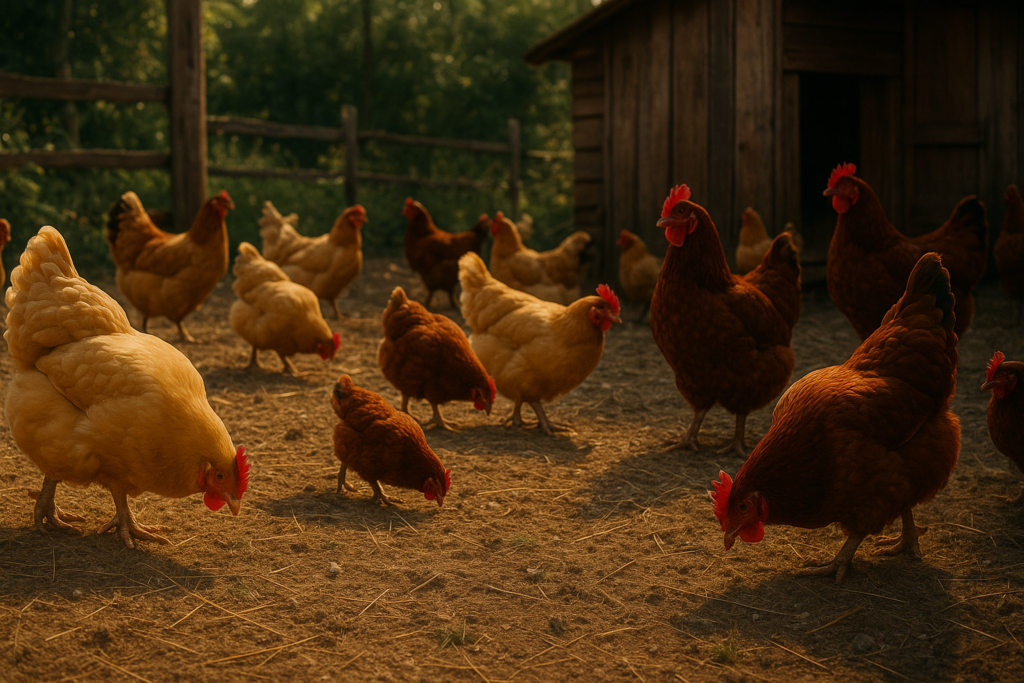
Moreover, Rhode Island Reds are less likely to exhibit broodiness compared to Buff Orpingtons, making them excellent choices for those solely focused on egg production. They come with a bit more attitude—some might say they’re the “boss” of the chicken yard, so ensure you’re ready for their more assertive nature.
Which Breed is Right for Your Homestead?
The decision mostly boils down to your homestead’s specific needs and preferences. Buff Orpingtons are fantastic if you prioritize friendly and docile birds, particularly important if you have young children. They add a serene presence to any yard and are ideal for those starting out in the poultry territory.
Alternatively, if you’re seeking a rock-solid breed with great egg production and meat quality, the Rhode Island Red might be your bird. Their spunky attitude and superb adaptability to various environments make them trustworthy. If you’re tending a larger homestead with ample room for these energetic birds to explore, they might just be the perfect fit.
Maintaining Healthy, Productive Chickens
Regardless of which breed you choose, consistent care is vital for maintaining a healthy flock. Ensure they have a safe coop, a secure perimeter to roam free from predators, and a balanced diet. As winter comes around, it’s crucial to prepare your homestead for colder months. Review our homestead winterizing checklist to keep your flock snug and productive year-round.
While Buff Orpingtons and Rhode Island Reds are both known for their hardiness, consider elements such as frost-proofing their water supplies during freezing weather—our guide on insulating pipes might come in handy.
Frequently Asked Questions
How do Buff Orpingtons and Rhode Island Reds differ in temperament?
Buff Orpingtons are well-known for their calm and friendly nature, making them great for families. Rhode Island Reds, while still friendly, tend to be a bit more assertive and can handle more rugged homestead scenarios.
What climate is best for these chicken breeds?
Both breeds do well in cold climates due to their hardiness, but Buff Orpingtons may require extra warmth in very cold weather due to their larger size. Ensure proper coop insulation to maintain comfort.
Which breed lays more eggs?
Rhode Island Reds generally lay more eggs, producing between 250 to 300 eggs per year. Buff Orpingtons are also good layers, offering around 200 to 280 eggs annually.
Are these breeds good for meat production?
Yes, both breeds are considered dual-purpose. Buff Orpingtons provide a good amount of meat due to their size, while Rhode Island Reds offer balanced meat quality and egg production.
If you’re looking to bring poultry into your homestead life, choosing between these two breeds is a decision of harmony versus hardiness. Both are wonderful additions, and it ultimately comes down to your personal homesteading goals. For more ideas and guidance, Subscribe on YouTube → The Homestead Frontier where we share more on managing your feathered friends.
Get Weekly Homestead Know-How That Actually Works
Practical tips on gardening, food preservation, DIY repairs and self-reliance, straight to your inbox. Free, no fluff.
Free. Unsubscribe anytime. We never share your email.