Homestead Insurance Basics: Protect Your Buildings and Animals
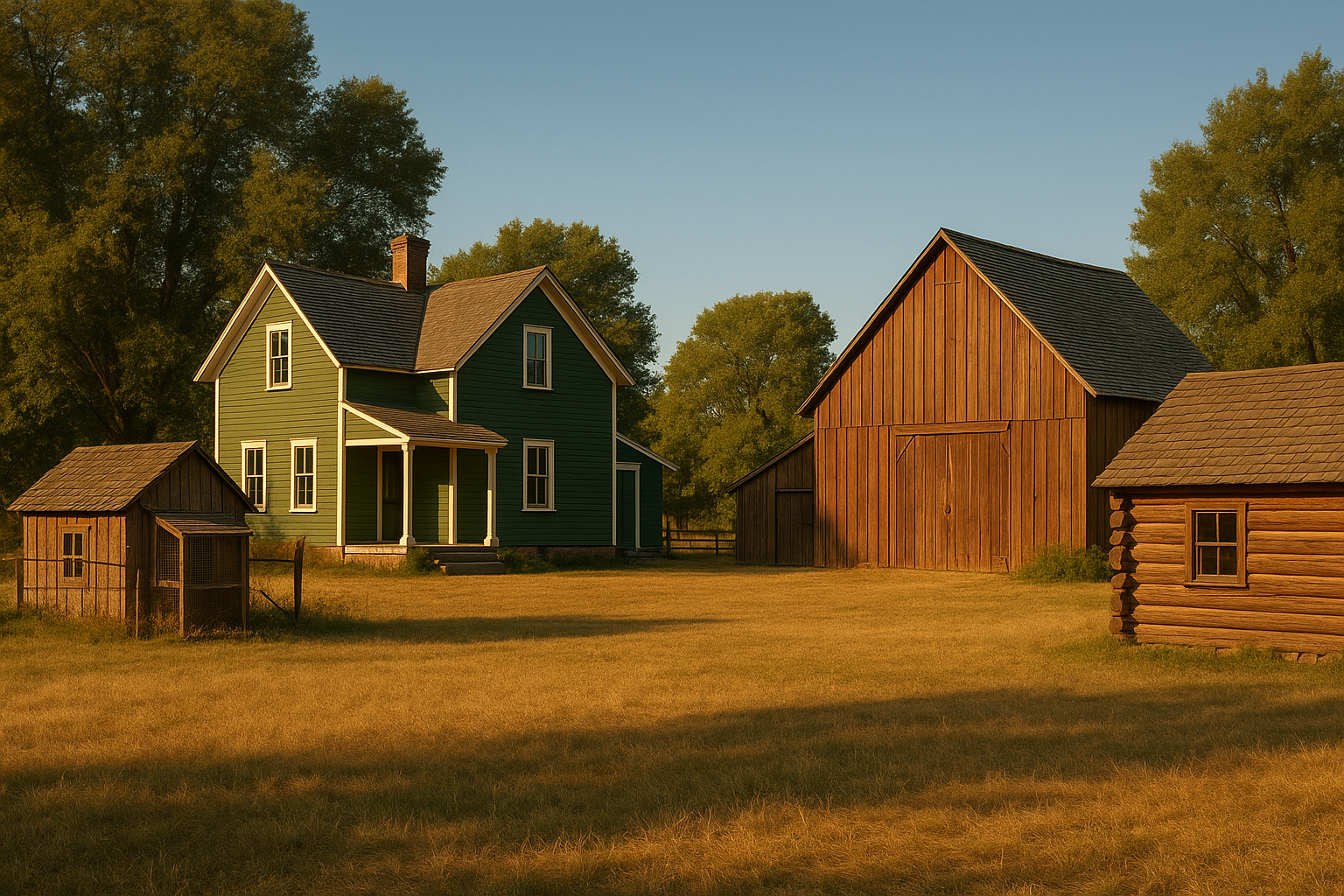
This page explains how to insure your homestead, including buildings and animals. It covers what to check for in your insurance policy, like coverage for barns and livestock. The page also offers tips on regularly reviewing and updating your policy to make sure everything important is protected.
When you’re running a homestead, insurance can seem like a minefield. Between livestock, outbuildings, and equipment, understanding coverage options is a necessary but complex task. Knowing what questions to ask can save a lot of headaches if a situation arises.
Key Takeaways
- Ensure that your insurance covers all structures, including barns, sheds, and specialized buildings.
- Clarify the types of livestock protection offered within your coverage.
- Evaluate your policy periodically as your homestead evolves and expands.
- Understand exclusions and limitations to avoid unexpected gaps in coverage.
The first thing to wrap your head around is the coverage for outbuildings on your property. Insurance policies often cover your primary residence but may treat other structures like barns, sheds, or greenhouses differently. You need to dig into the details to ensure everything is covered.
Understanding Coverage for Outbuildings
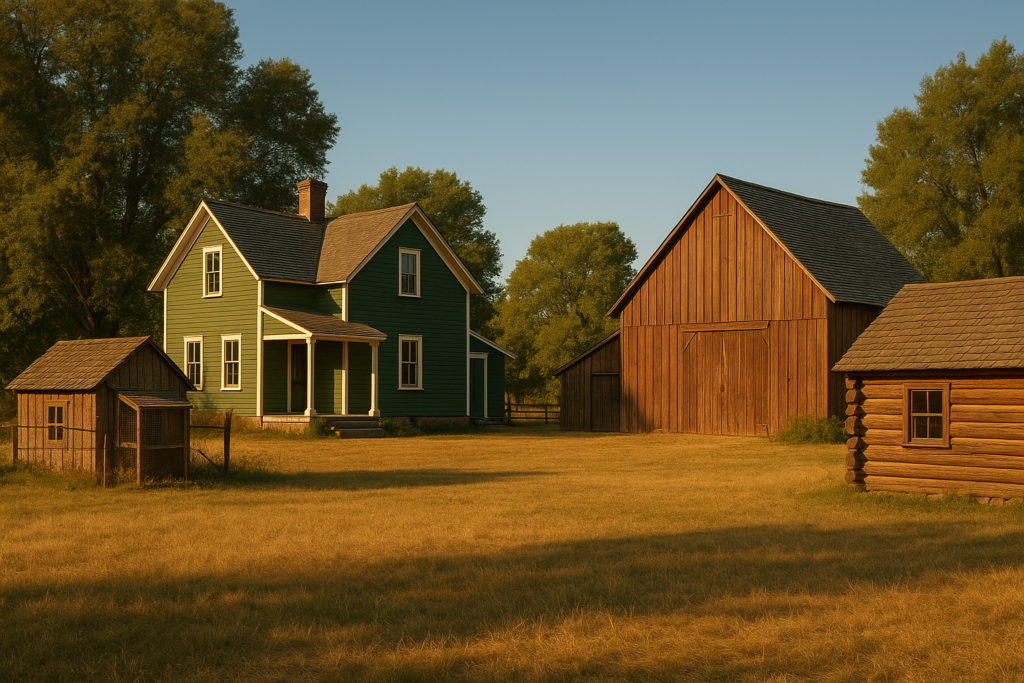
If you’ve dedicated time constructing outbuildings like a guest cabin or a barn for your livestock, it’s crucial to verify they’re insured under your policy. A common mistake is assuming these structures are automatically included under the ‘other structures’ portion of a standard homeowners policy. Often, they require separate or extended endorsements for accurate coverage.
For example, while some policies might cover up to 10% of your dwelling limit for additional structures, this might not suffice for a large barn or workshop. It’s wise to have a detailed valuation of all your outbuildings. Consult your insurance provider and ensure each structure’s unique value and use is accounted for. As covered in our disclaimer, this guidance is general, so do verify specifics with a qualified insurer in your area.
What About Livestock?
Animals are a significant asset to your homestead, providing food, labor, and, in some cases, companionship. However, livestock insurance can be particularly tricky. Basic homeowners insurance usually won’t cover animals. Specialized livestock insurance becomes a necessity as it can cover various risks such as theft, injury, or disease.
When speaking with your insurer, make queries specific to the types of animals on your homestead. A goat farmer would have different needs compared to someone raising poultry. Don’t forget to ask about the coverage of services needed for animals, such as veterinary care or replacement costs if an animal can’t work due to illness or accident. Transparency about what’s included, similar to tools like in our REXBETI saw review, can offer a clearer view of your policy.
Regularly Reassess Your Policy
Your homestead’s insurance needs evolve as your property and experience grow. Regular reassessment and updates of your policy become essential. It’s not just about the livestock or structures—consider factors like new equipment, improved infrastructure, or expanded operations. For instance, if you start growing staples, you’ll need to ensure coverage aligns with guides like storing grains and dry goods in a way that mirrors your actual practices taken on the homestead.
Conduct a routine check—perhaps annually—to update any changes with your insurance agent. Add new assets, weed out obsolete ones, and revisit the terms and conditions to spot any discrepancies. Much like maintaining gardening tools as discussed in our review of the Fiskars Ergo garden trowel, proper upkeep of your insurance policy ensures you stay protected.
Understanding Exclusions and Limitations
No insurance policy is perfect, and every plan comes with its fair share of exclusions and limitations. Familiarize yourself with what your policy doesn’t cover. Understanding these boundaries helps avoid surprises later. Consider events such as floods or earthquakes, which may require separate policies.
Likewise, be aware of the process for filing claims and the deductibles involved. Mishandling claims can cost time and resources. A clear grasp of what’s excluded or limited prepares you for potential out-of-pocket expenses and lets you strategize alternate protection if needed.
Frequently Asked Questions
How do I determine the value of my outbuildings?
Conduct a detailed assessment of each structure’s size, usage, and materials. Professional appraisals can provide a more accurate valuation to ensure your coverage matches actual costs.
Is livestock insurance expensive?
The cost varies based on several factors, including the type, age, and quantity of animals. Speak to multiple agencies to find a plan that suits your budget and the critical needs of your homestead.
When should I review my insurance policy?
It’s wise to review annually or after significant changes to your homestead’s operations. This ensures coverage keeps pace with the evolving needs of your property and assets.
Are there insurance plans that cover veterinary costs?
Yes, some livestock insurance plans offer protection for veterinary fees. Be sure to discuss this with your insurer and pinpoint plans that incorporate comprehensive animal healthcare.
Insuring your homestead essentially lays a foundation for your family’s security and your home-based livelihood. Over a cup of coffee or in-between chores, have a jot down, discuss, and decide what’s best suited for your needs. For more practical homesteading know-how and to stroll through a wealth of insights, Subscribe on YouTube → The Homestead Frontier.
Get Weekly Homestead Know-How That Actually Works
Practical tips on gardening, food preservation, DIY repairs and self-reliance, straight to your inbox. Free, no fluff.
Free. Unsubscribe anytime. We never share your email.