Simple Things You Can Start Today to Live the Homestead Life (Wherever You Live)
This page is about starting simple homesteading habits wherever you live. It provides tips on shopping, preserving food, gardening, and building skills. Readers can pick a couple of ideas to try right away, like making homemade jam or container gardening, to begin their homestead journey.
Here’s something that surprises a lot of people: some of the most skilled homesteaders we know started in apartments. Long before they had land, they were making jam, baking bread, mending jeans and filling their freezers with farmers market bargains. When the land finally came, the skills were already there.
Homesteading is really a set of habits built around providing for yourself and wasting less. You can start practicing those habits this week, wherever you live and whatever your budget. Here are some of our favorites.
Key Takeaways
- Homesteading is about self-reliance habits, not how much land you have.
- Buying in season and in bulk, then preserving it, saves money and builds skills.
- Community gardens, you-pick farms and farmers markets are the apartment homesteader’s best friends.
- Learn one new skill a month and you’ll be amazed where you are in a year.
Shop Like a Homesteader
Get to know your farmers market
Farmers markets connect you with local growers and seasonal food. Get to know a few vendors. Many will give you a deal on “seconds,” the slightly bruised or odd-shaped produce that’s perfect for sauces, jams and canning. Late in the season, ask about buying by the bushel or half-bushel.
Visit a you-pick farm
Strawberries in late spring, blueberries in summer, apples and pumpkins in fall: you-pick farms let you gather produce at its peak, usually for less than store prices. Many also sell pre-picked produce for a bit more if you’re short on time. Check the farm’s website or social media for picking dates, which shift with the weather.
Buy in bulk, then store it well
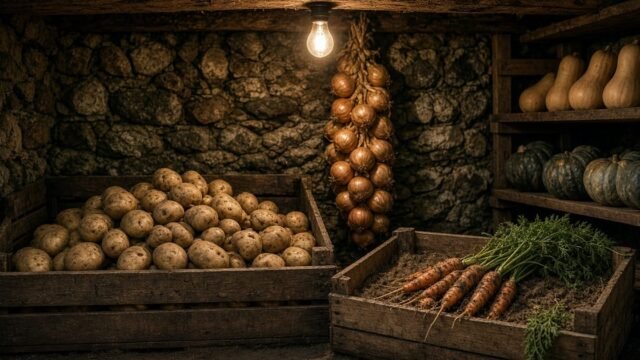
Rice, oats, dry beans and flour are cheaper in bulk. Store them in airtight containers in a cool, dry place, and label everything with the date. We’ll dig deeper into this soon in our post on stocking a homestead pantry.
Put Food By
This is where you really start to feel like a homesteader.
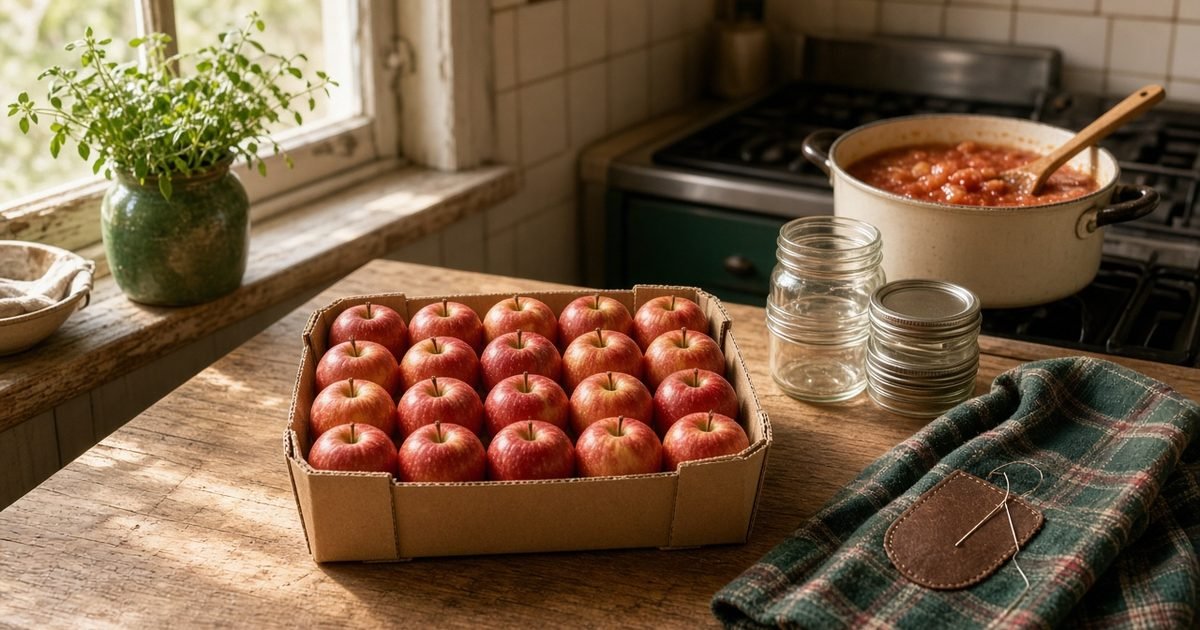
- Make jam. A batch of strawberry or apple butter is one of the easiest and most rewarding first projects. Use a tested recipe and process the jars in a water bath canner. Our water bath canning basics guide walks through the process step by step.
- Can tomatoes or salsa. Tomatoes are inexpensive in late summer and endlessly useful in winter stews and chili. Follow tested recipes, which include added acid such as lemon juice or citric acid.
- Freeze and dehydrate. Sliced peppers, blanched green beans, apple rings and fresh herbs all freeze or dry beautifully with little equipment.
- Know when you need a pressure canner. Low-acid foods like green beans, corn and meats must be processed in a pressure canner, not a water bath and not an electric pressure cooker. Pressure canning has a learning curve, so take a class or follow USDA guidance closely.
Grow Something, Even Without a Yard
- Containers. A cherry tomato in a 5-gallon bucket, lettuce in a window box, herbs on a sunny sill. Container plants need more watering but less weeding.
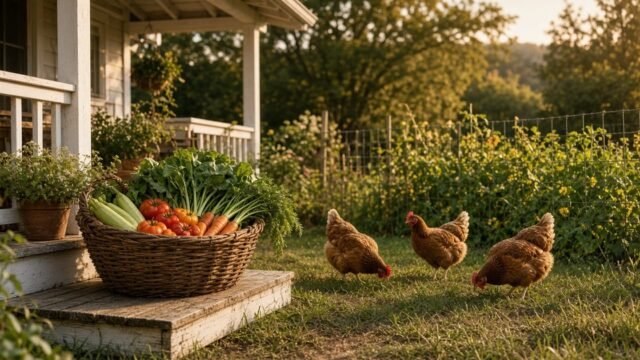
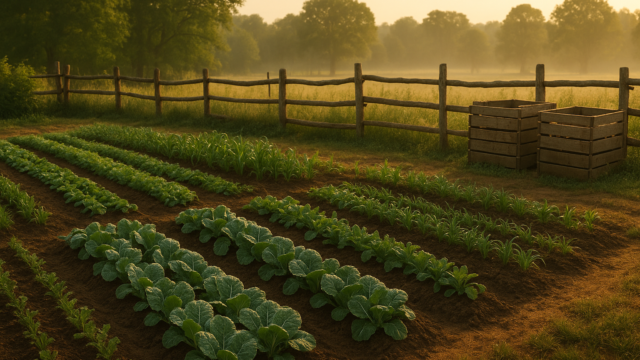
- Community gardens. Many towns, churches and neighborhoods have plots for rent, often for a small yearly fee. You’ll learn a ton from the gardeners around you. If there isn’t one nearby, ask your city or a local church about starting one.
- Sprouts and microgreens. A jar, some seeds and a kitchen counter are all you need to grow fresh greens in a week, even in January.
Cook From Scratch
Cooking from basic ingredients is a core homestead skill, and it saves real money.
- Bake a loaf of bread each week.
- Make stock from vegetable scraps and chicken bones instead of buying cartons.
- Cook a big pot of beans from dry.
- Plan meals around what’s in season and what’s already in your pantry.
Waste Less, Mend More
Our grandparents’ motto was “use it up, wear it out, make it do, or do without,” and it’s pure homesteading.
- Learn basic mending: sewing on buttons, patching knees, darning socks.
- Start a worm bin or compost bucket for food scraps. Some towns offer compost drop-off.
- Hang laundry to dry when the weather allows.
- Repair before you replace. Online videos and your local library make it easier than ever.
Build Skills and Community
- Pick one skill a month. Knife sharpening, bread baking, basic plumbing, knitting, first aid. By this time next year you’ll have twelve new skills.
- Take a class. County extension offices often run affordable courses on canning, gardening and food safety.
- Barter and share. Trade jam for eggs, or swap canning jars for garden help. Homesteading has always been a community effort.
- Listen and learn on the go. Our Audio Tips are short, practical lessons you can listen to while you do the dishes.
Frequently Asked Questions
Can I really homestead in an apartment?
Absolutely. Cooking from scratch, preserving food, container gardening, mending and building skills all work in small spaces. Many people practice for years before moving to land.
What’s the cheapest way to start?
Start with what you already have: a pot for making jam, a sunny window for herbs, a needle and thread. Add a water bath canner and jars when you’re ready.
Is homemade jam safe?
Yes, when you use a tested recipe, clean jars and proper water bath processing. Always check that lids have sealed before storing.
Small habits add up. Choose two ideas from this list and try them this weekend. If you have a yard to work with, our 9 small steps to a backyard homestead will help you take the next step.
Looking for more ideas? Our free Off-Grid Homesteader Quick-Start Guide covers homemade cleaners, sewing, woodworking and more. Get it in our Free Downloads library.
Prefer to watch or listen? More practical homestead tips are on our YouTube channel — short, useful, no fluff. Subscribe on YouTube → The Homestead Frontier
Get Weekly Homestead Know-How That Actually Works
Practical tips on gardening, food preservation, DIY repairs and self-reliance, straight to your inbox. Free, no fluff.
Free. Unsubscribe anytime. We never share your email.