
Building a Homestead Smokehouse: Hot Smoking, Cold Smoking and Food Safety
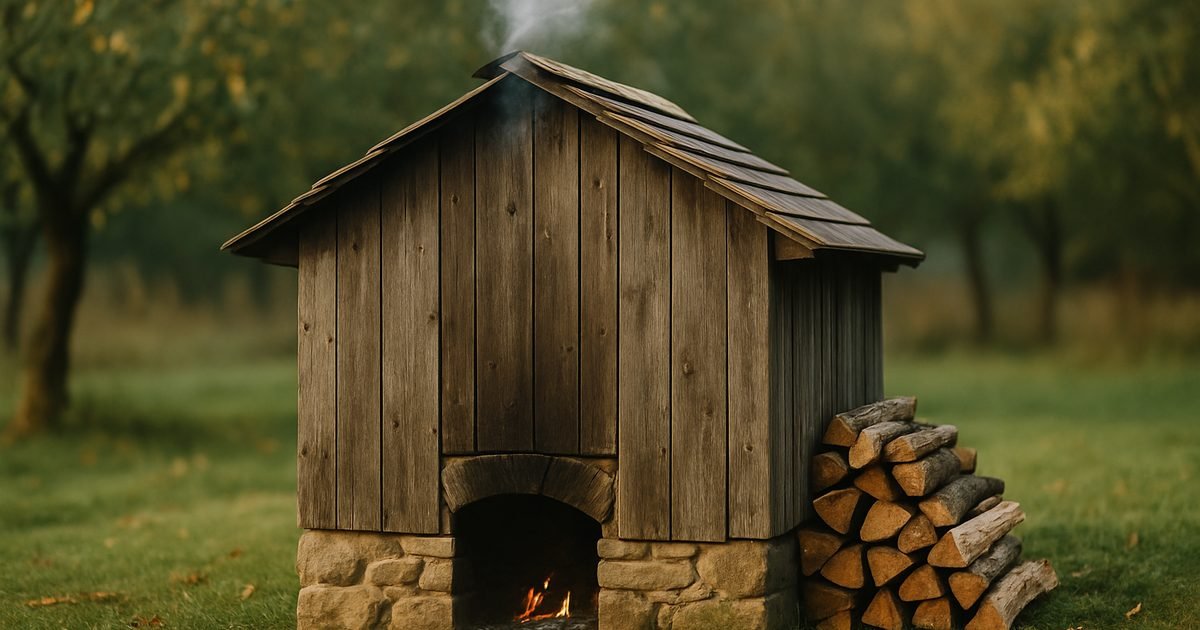
Learn how to build a smokehouse to flavor meats and other foods. The page explains hot and cold smoking, food safety tips, and what materials to use. Follow the guide for a safe, effective smoking setup and explore food storage tips for your homestead.
There’s something timeless about a little smokehouse out behind the barn, with a thin ribbon of fragrant smoke curling into the autumn air. For generations, homesteaders used smoke to flavor meat, fish and cheese, and a smokehouse is still one of the most satisfying projects you can build.
Before you start stacking blocks, though, it helps to understand one important thing: on its own, smoke adds flavor and some protection, but it doesn’t make food shelf-stable. Modern food safety, good temperature control and a reliable thermometer are what make your smokehouse a safe one.
Key Takeaways
- Hot smoking cooks food. Cold smoking only flavors it and is best left to tested, cured recipes.
- Most smoked foods still need refrigeration or freezing afterward.
- Always use a food thermometer and cook to safe internal temperatures.
- Locate your smokehouse well away from buildings, and follow local burn rules.
Hot Smoking vs. Cold Smoking
Hot smoking
Hot smoking cooks food and flavors it at the same time. The USDA recommends keeping the smoker between 225°F and 300°F and cooking meat to safe internal temperatures, checked with a food thermometer:
- Poultry: 165°F
- Ground meats and sausage: 160°F (165°F for ground poultry)
- Whole cuts of pork, beef and lamb: 145°F, with a three-minute rest
- Fish: 145°F
Hot smoking is the best place for beginners to start. Think smoked chicken, pork shoulder, ribs, sausages and fish.
Cold smoking
Cold smoking happens at low temperatures, typically below 90°F. Food is flavored by smoke but not cooked, so harmful bacteria can survive and even grow. Traditional cold-smoked hams, bacon and salmon rely on precise curing with salt and curing agents first.
For cheese, nuts and salt, cold smoking is simple and low risk. For meat and fish, only cold smoke when you’re following a tested recipe from a reliable source, such as your county extension office, and measure your cure carefully. If in doubt, hot smoke.
Planning Your Smokehouse
Location
Pick a level spot at least 20 to 30 feet from your house, barn, woodpile and overhanging trees. Check your local fire and burn regulations before you build, and keep a fire extinguisher and a hose nearby.
Size
Build for how you’ll actually use it. A smokehouse about 3 to 4 feet square and 6 feet tall holds plenty for most families. A bigger box takes more fuel and is harder to keep at an even temperature.
Design
The most common homestead design separates the fire from the food:
- A firebox sits lower down, often 10 to 15 feet away.
- A buried or insulated pipe carries smoke uphill into the smoke chamber.
- The smoke chamber holds racks and hooks for the food.
This setup cools the smoke for gentle smoking and keeps the food away from direct heat. For hot smoking, many people use a firebox built into the base or add a separate heat source inside.
If you’re not ready to build, a well-made commercial smoker or a converted barrel smoker is a great way to learn the basics first.
Materials
Concrete block, brick and stone are durable and fire-resistant. Many builders frame the smoke chamber in untreated rot-resistant wood such as cedar, with a metal or masonry firebox. Never use pressure-treated, painted or stained wood anywhere the smoke or food touches. Lay a solid foundation of gravel or concrete so the structure stays dry.
Ventilation and temperature control
Add an adjustable vent near the top and a damper on the firebox so you can control airflow. Mount a thermometer at food level, and use a probe thermometer for the food itself.
Racks and hooks
Use stainless steel or food-grade racks and hooks. Leave space between pieces so smoke can circulate evenly.
Choosing Your Wood
Use only dry, seasoned hardwoods or fruitwoods:
- Hickory and oak: Strong, classic flavors for pork and beef.
- Apple and cherry: Mild and slightly sweet, great for poultry, pork and cheese.
- Maple: Gentle and sweet.
- Alder: A traditional choice for fish.
Avoid softwoods like pine, spruce and fir, which have resins that give food a bitter taste. Never burn treated lumber, painted scraps or wood from unknown sources.
Food Safety Basics
- Keep raw meat refrigerated until it goes into the smoker.
- Brine or marinate in the refrigerator, never at room temperature.
- Use a food thermometer every time. Color isn’t a reliable sign of doneness, since smoked meat often stays pink.
- Refrigerate smoked food within two hours, and freeze what you won’t eat within a few days.
- Clean racks, hooks and the chamber regularly to prevent buildup and pests.
Frequently Asked Questions
Does smoking preserve meat?
Not by itself. Traditional long-keeping smoked meats were heavily salted and cured first. For home smokehouses, treat smoked meat like any cooked meat: refrigerate or freeze it.
What’s the easiest thing to smoke first?
Chicken thighs, a pork shoulder or a block of cheese. They’re forgiving and teach you how your smokehouse behaves.
Can I smoke in winter?
Yes, but cold weather makes it harder to hold temperatures. Insulation and a windbreak help.
A smokehouse fits beautifully with a well-stocked homestead kitchen. Pair it with our guides to stocking a homestead pantry and long-term food storage to keep your shelves full all winter.
Get a printable smokehouse checklist in our free Food, Pantry & Kitchen pack, available in our Free Downloads library.
Prefer to watch or listen? More practical homestead tips are on our YouTube channel — short, useful, no fluff. Subscribe on YouTube → The Homestead Frontier
Get Weekly Homestead Know-How That Actually Works
Practical tips on gardening, food preservation, DIY repairs and self-reliance, straight to your inbox. Free, no fluff.
Free. Unsubscribe anytime. We never share your email.


