Off-Grid Essentials for Your Homestead: What to Plan for First

This page is about planning essential systems for living off-grid on your homestead. It advises on choosing land, building shelter, managing energy and water, and handling waste. You can use the guide to prioritize your off-grid setup and access free downloads for more detailed help.
For a lot of people, the off-grid homestead is the big dream: a small house in a sunny clearing, power from the sun, water from your own land and a woodstove ticking away on a cold night. It’s a wonderful goal, and it’s more achievable than ever. It also works best when you plan the essentials in the right order.
This post walks through the core systems every off-grid homestead needs. We’re assuming you already have land, or are close to getting it, and want to know what to think about first.
Key Takeaways
- Choose land with good sun exposure and a reliable water source before anything else.
- Start with simple shelter and systems, and upgrade as you learn your real needs.
- Cut your energy needs first, then size your power system to match.
- Every fuel-burning appliance needs proper venting and a carbon monoxide alarm.
1. Land With Sun and Water
Off-grid life runs on two free resources: sunlight and water. When you look at property, notice where the sun falls in winter, when it’s lowest in the sky. A south-facing slope (in the Northern Hemisphere) with open sky is ideal for solar panels and a garden. Then look hard at water. A good well, a year-round spring or enough rainfall to collect makes everything else easier.
2. Simple, Efficient Shelter
Your first off-grid home doesn’t need to be your forever home. Many homesteaders start in a small cabin, a converted shed or a modest prefab building and expand later. Whatever you choose, make it tight and well insulated. A small, snug house is far easier to heat, cool and power than a large drafty one. Check local building codes and permits before you build or move a structure onto your land.
3. Power: Use Less First
The cheapest watt is the one you never need. Before you buy panels, list everything you’ll want to run and how many hours a day. Then trim that list. LED lights, an efficient refrigerator and propane or wood for cooking and heating make a huge difference.
Solar
Solar is the most common off-grid power source today. A basic system includes:
- Solar panels, mounted where they get full sun most of the day.
- A charge controller to protect your batteries.
- A battery bank to store power for nights and cloudy days. Lithium iron phosphate (LiFePO4) batteries have become the go-to choice for many homesteaders because they last longer and need less maintenance than older lead-acid types.
- An inverter to turn stored power into household current.
Many homesteaders start with a small system for lights, phone charging and a few appliances, then add panels and batteries as their budget allows. Have a qualified installer or electrician review your design. Batteries and wiring store a lot of energy, and mistakes can start fires.
Wind and backup
A small wind turbine can complement solar if you have steady wind, especially in winter. A generator is useful as a backup for long cloudy stretches, but run it outdoors only, well away from windows and doors.
4. Heat
A properly installed wood stove is the classic off-grid heat source, and it can warm your home, heat water and cook dinner all at once. Have it installed to code, with the right clearances and a sound chimney, and have the chimney cleaned every year. If you’d rather use propane, choose a vented heater. Unvented heaters release moisture and combustion gases indoors and are restricted in some areas. Our guide to alternative home heating options compares the choices.
5. Lighting
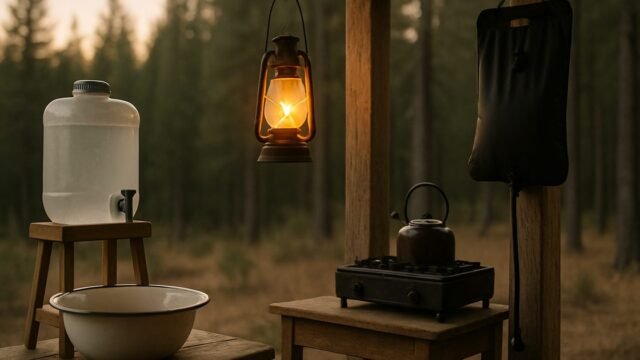
LED bulbs sip power and last for years, so they’re the obvious choice for off-grid lighting. Add a few battery or solar lanterns for backup. Motion-sensor and dusk-to-dawn lights on outbuildings save power and help you get around safely at night.
6. Water
How you get water depends on your land:
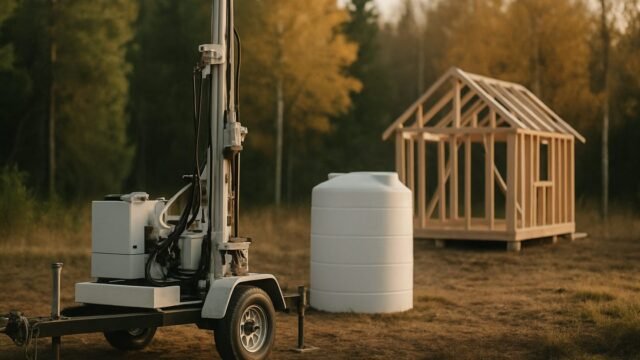
- Wells: A solar-powered pump can fill a storage tank during the day. A hand pump makes a great backup.
- Springs: A spring box and gravity-fed lines can deliver water with no pump at all.
- Rainwater: Gutters, barrels and tanks can supply gardens and animals. Our rainwater guide explains the basics.
- Hauling: Weekend homesteaders often start by bringing water in tanks while they plan a permanent supply.
Drinking water from any source should be tested, and filtered or treated as needed.
7. Waste
Plan for human waste, gray water and trash from the start. Options include a permitted septic system, an approved composting toilet, and gray-water systems where they’re allowed. Rules vary a lot, so talk to your county health department early.
8. Food
Off-grid living goes hand in hand with growing and storing food. Start a garden, plan a root cellar or cool storage space, and keep a well-stocked pantry so you aren’t running to town every few days.
9. Communication
Remote land often means spotty cell service. Plan for some form of internet or phone access, plus a battery or hand-crank weather radio for storm updates.
What Can Wait
Fancy finishes, big outbuildings, large livestock and expensive equipment can all wait until your basic systems are running smoothly. Live with your setup through all four seasons, and you’ll know exactly what to upgrade.
Frequently Asked Questions
How much does it cost to go off-grid?
It ranges widely, from a few thousand dollars for a simple weekend setup to far more for a full-time home. Starting small and expanding keeps costs manageable.
Can I go off-grid gradually?
Yes, and it’s often the smartest way. Many people start with solar lighting or a wood stove while still connected to the grid, then add systems over time.
Do I need a permit for solar panels?
Often, yes. Check with your county, and with your insurance company too.
Off-grid living is a journey of small, steady improvements. Before winter arrives, run through our fall winterizing checklist, and see our guide to being prepared like a homesteader for more ways to stay comfortable when the power is out.
Get our free Off-Grid Homesteader Quick-Start Guide, plus printable solar and renewable energy checklists in the Garden, Water & Energy pack, in our Free Downloads library.
Prefer to watch or listen? More practical homestead tips are on our YouTube channel — short, useful, no fluff. Subscribe on YouTube → The Homestead Frontier
Get Weekly Homestead Know-How That Actually Works
Practical tips on gardening, food preservation, DIY repairs and self-reliance, straight to your inbox. Free, no fluff.
Free. Unsubscribe anytime. We never share your email.