Urban Homesteading: What You Need to Know Before You Start

Learn about starting an urban homestead, even if you live in a city or suburb. Check local rules, test your soil, and plan projects like growing herbs or keeping hens. This page helps you get started, avoid mistakes, and make the most of your space.
Urban homesteading sounds simple: grow some food, keep a few hens, cook from scratch and waste less, all on a city or suburban lot. It can be that simple. But town comes with a few things the countryside doesn’t: closer neighbors, more rules, soil with a long history and buried utility lines under nearly every yard. A little homework up front saves money and frustration later.
Here’s what we’d want every new city homesteader to know before buying a single chick or bag of soil.
Key Takeaways
- Urban homesteading is a habit of producing more and buying less, scaled to a small space.
- Check city, county and HOA rules, plus your lease if you rent, before building or adding animals.
- Test city soil for lead before growing food in the ground.
- Map your sun, call 811 before digging and talk to the neighbors early.
Start With the Mindset
At its core, urban homesteading is a shift from only buying to also making. You still shop, but you start asking whether you could grow it, cook it, fix it or simply do without. That outlook works on a fifth-floor balcony as well as on a corner lot. Choose one or two habits to build this season, like baking bread weekly or keeping a compost bin, and let bigger projects follow once those feel routine.
Learn the Local Rules
Rules shape what an urban homestead can include, and they vary a great deal from one town to the next. Look up:
- Animal ordinances. A lot of cities permit a few laying hens and ban roosters. Some require a permit, a minimum distance between the coop and neighboring homes, or written approval from neighbors. Bees, rabbits, ducks and miniature goats each have their own rules, if they’re allowed at all.
- Structures. Sheds, coops, greenhouses and tall fences may need a permit or a setback from the property line.
- Front yards. Some towns limit plant height or what can be grown out front.
- HOA covenants and leases. These are often stricter than city code. Renters should get written permission for beds, coops or rain barrels.
- Rainwater. Rain barrels are welcome almost everywhere, but a few states and cities regulate collection.
Your city’s code office is the place to begin, and a phone call is often quicker than digging through the code online.
Test the Soil Before You Grow Food in It
City soil often carries traces of its past. Lead from old exterior paint and decades of traffic can build up near older houses, driveways and busy streets. That’s no reason to give up on a garden, only a reason to test first.
- Order a soil test that includes lead through your county extension service or a state university lab.
- If results are high, grow food in raised beds or containers filled with clean soil and compost, and keep beds away from the base of older painted walls.
- Mulch bare ground and paths to keep dust down, scrub produce well, peel root crops and have kids wash up after playing in the dirt.
Call 811 Before You Dig
In the US, calling 811 or filing a request online a few days before digging is free, and most states require it. Crews will mark buried gas, electric, water and communication lines, so your fence posts and new garden beds stay clear of anything dangerous or expensive to repair.
Map Your Sun and Warm Spots
Buildings, trees and fences cast shadows that shift with the seasons. On a clear day, note which parts of your lot get six or more hours of direct sun. Cities also tend to run a few degrees warmer than surrounding farmland, and a south-facing brick wall soaks up heat that can stretch your season by weeks. Those warm pockets are ideal for tomatoes, peppers and a small cold frame. Our greenhouse and season extension guide has more ways to lengthen your harvest.
Choose First Projects That Earn Their Space
On a small lot, every square foot should pull its weight:
- Herbs and salad greens near the kitchen door. They’re costly to buy and quick to grow.
- Vertical crops like pole beans, peas and cucumbers on trellises along a fence.
- A lidded compost bin to keep critters out. Our compost guide covers the basics.
- A rain barrel at the end of a downspout for watering beds. See our rainwater guide for setup tips.
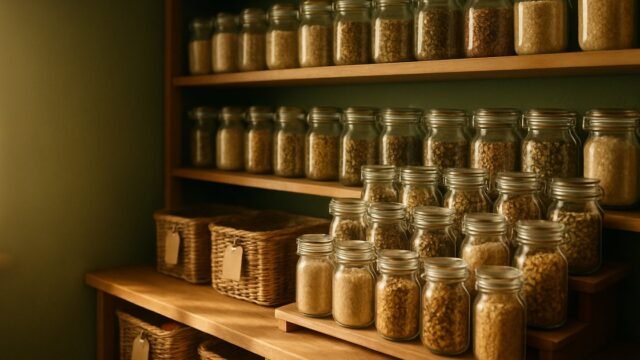
- A pantry shelf of food you’ve put up yourself, even if the produce came from a farmers market.
Small Animals, Real Responsibilities
Where hens are allowed, three or four can keep a household supplied with eggs most months and turn kitchen scraps into compost material. They also need a predator-proof coop, daily care and someone to look after them when you travel. Wash your hands after handling birds, eggs or coop equipment, as the CDC advises. Read our baby chick care guide before you order chicks in spring. Beekeeping is legal in many cities too, but sign up for a beginner class and check registration rules first.
Talk With the Neighbors Early
In town, your homestead is part of everyone’s view, and sometimes their sense of smell. Mention your plans before the coop goes up, keep coops and compost clean, and share some of the harvest. A dozen fresh eggs every so often goes a long way toward goodwill.
Frequently Asked Questions
Will my city let me keep hens?
In many cities, yes, and most limit flock size and ban roosters. Read the city ordinance, plus HOA rules if they apply, before buying birds.
Is it safe to grow vegetables in city soil?
Usually, once you’ve tested it. If lead levels are high, raised beds or containers with clean soil are an easy workaround.
What should an urban homesteader tackle first?
A few containers or a small bed of herbs and greens close to the kitchen. They’re cheap, quick and teach you how your yard’s sun and water behave.
Urban homesteading is real homesteading on a smaller footprint. If you’re working with even less space, read our post on starting a homestead without land, and for a gentle roadmap, see our small steps to a backyard homestead.
Start building skills today with our free Off-Grid Homesteader Quick-Start Guide and 50 printable checklists in our Free Downloads library.
Prefer to watch or listen? More practical homestead tips are on our YouTube channel — short, useful, no fluff. Subscribe on YouTube → The Homestead Frontier
Get Weekly Homestead Know-How That Actually Works
Practical tips on gardening, food preservation, DIY repairs and self-reliance, straight to your inbox. Free, no fluff.
Free. Unsubscribe anytime. We never share your email.